33

Cat Forum: Domestic Violence and Cats


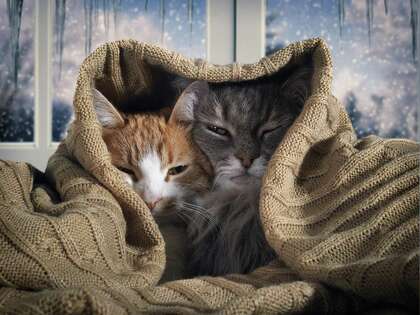
Editor’s Note: October is Domestic Violence Awareness Month in the US. We’re taking a break from our usual (hopefully) humorous topics and looking at an issue that has hit our household. If this topic is too painful for you, please take a break this week and come back next Saturday.
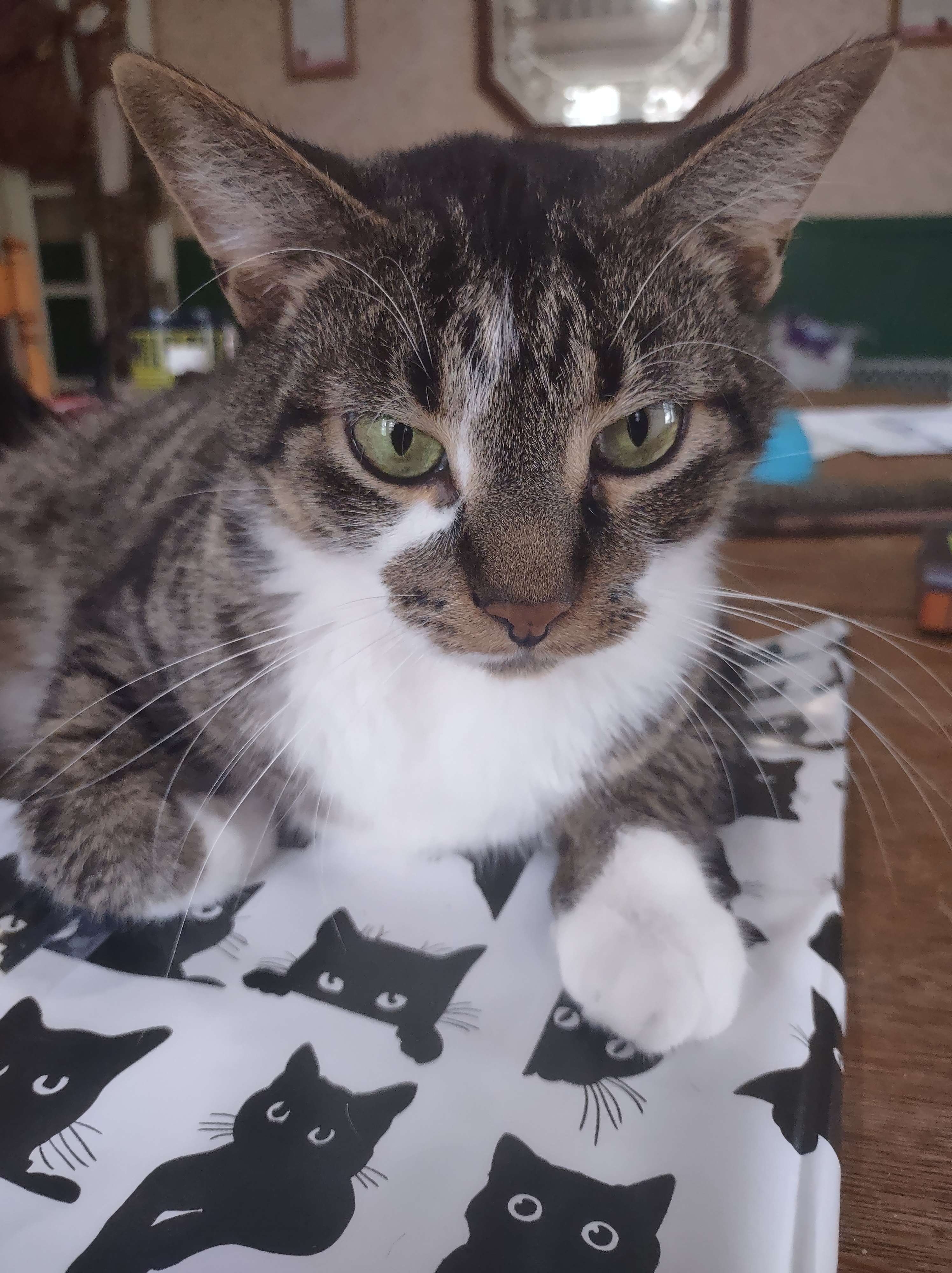
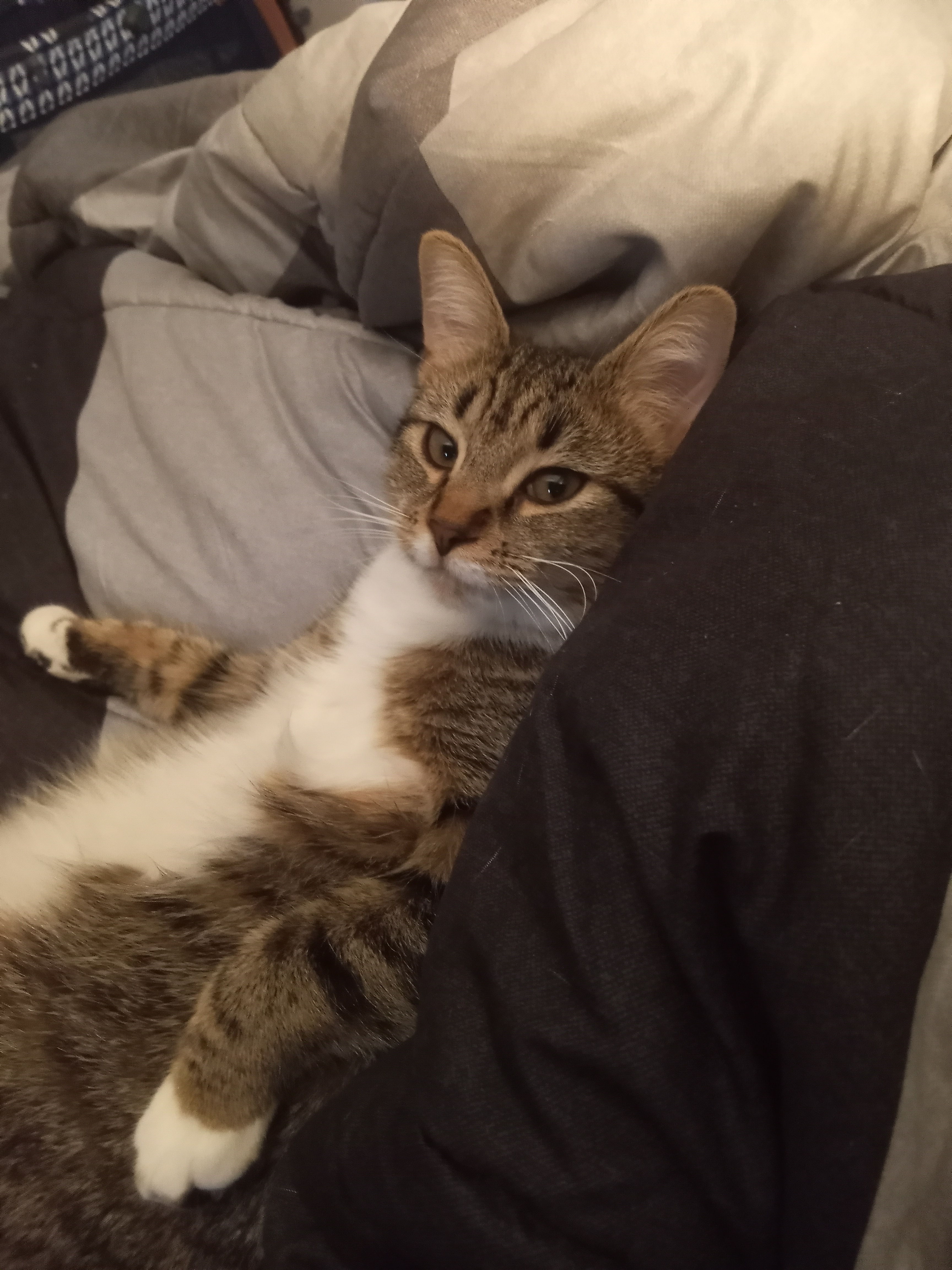
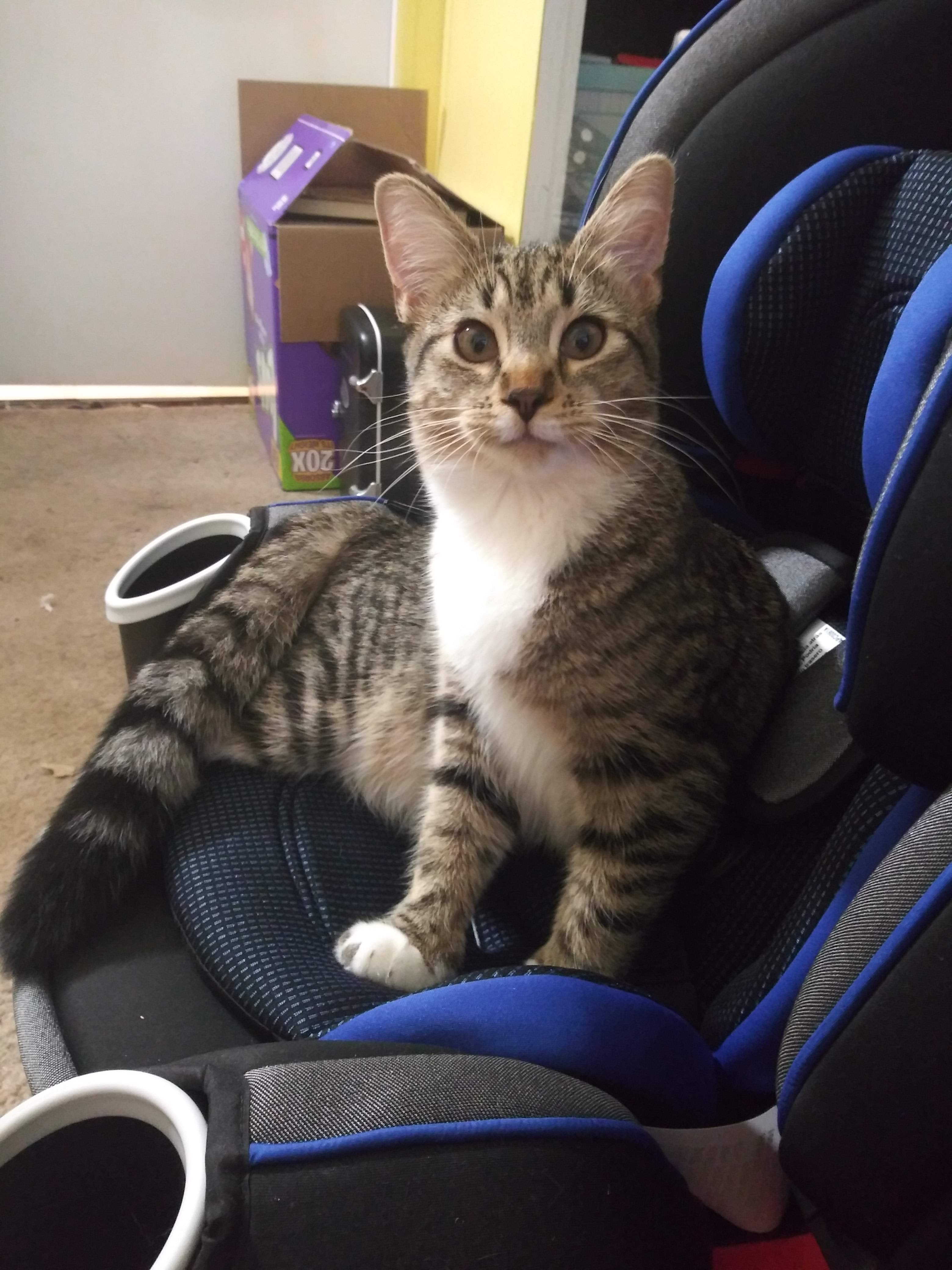
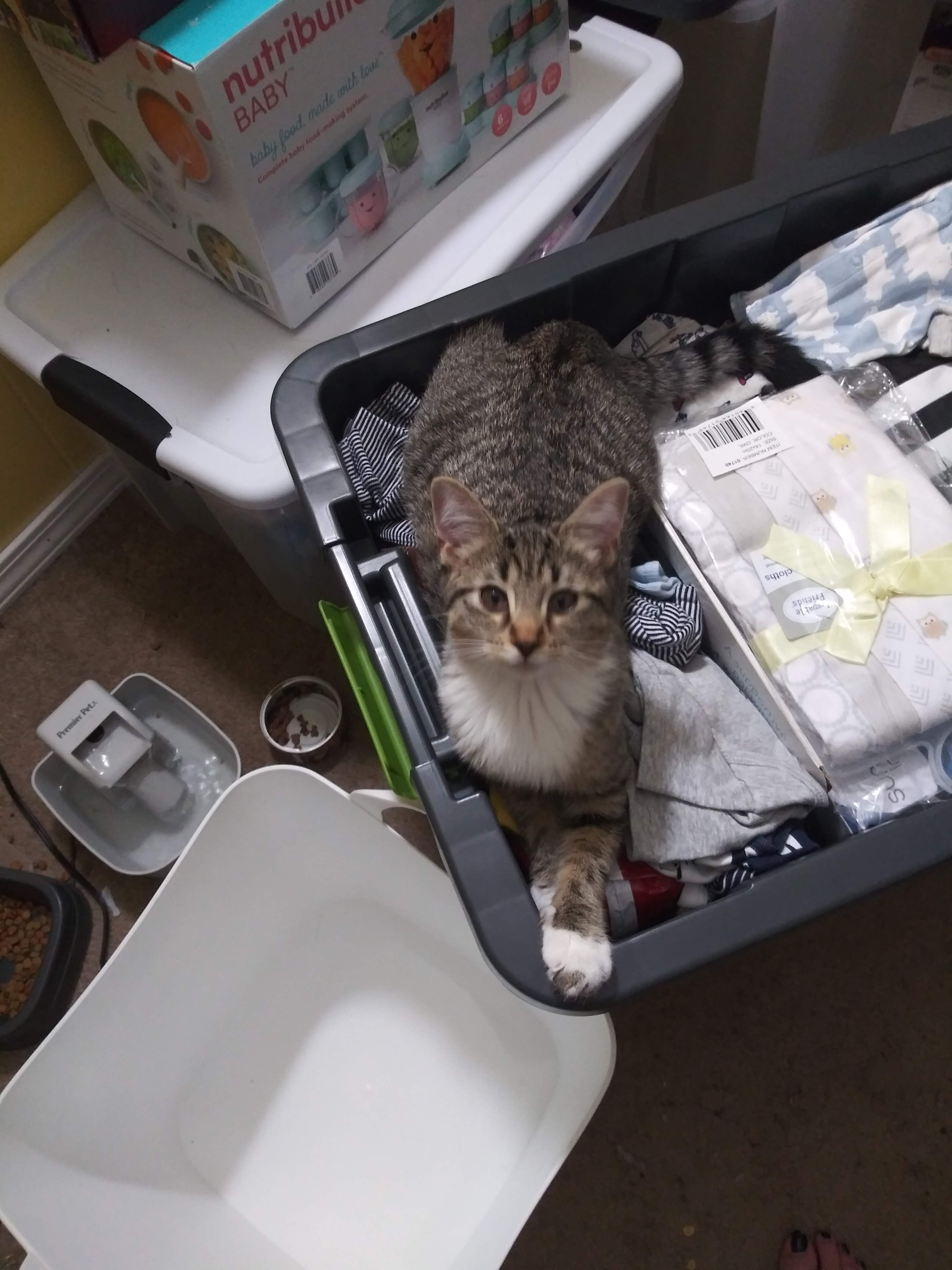
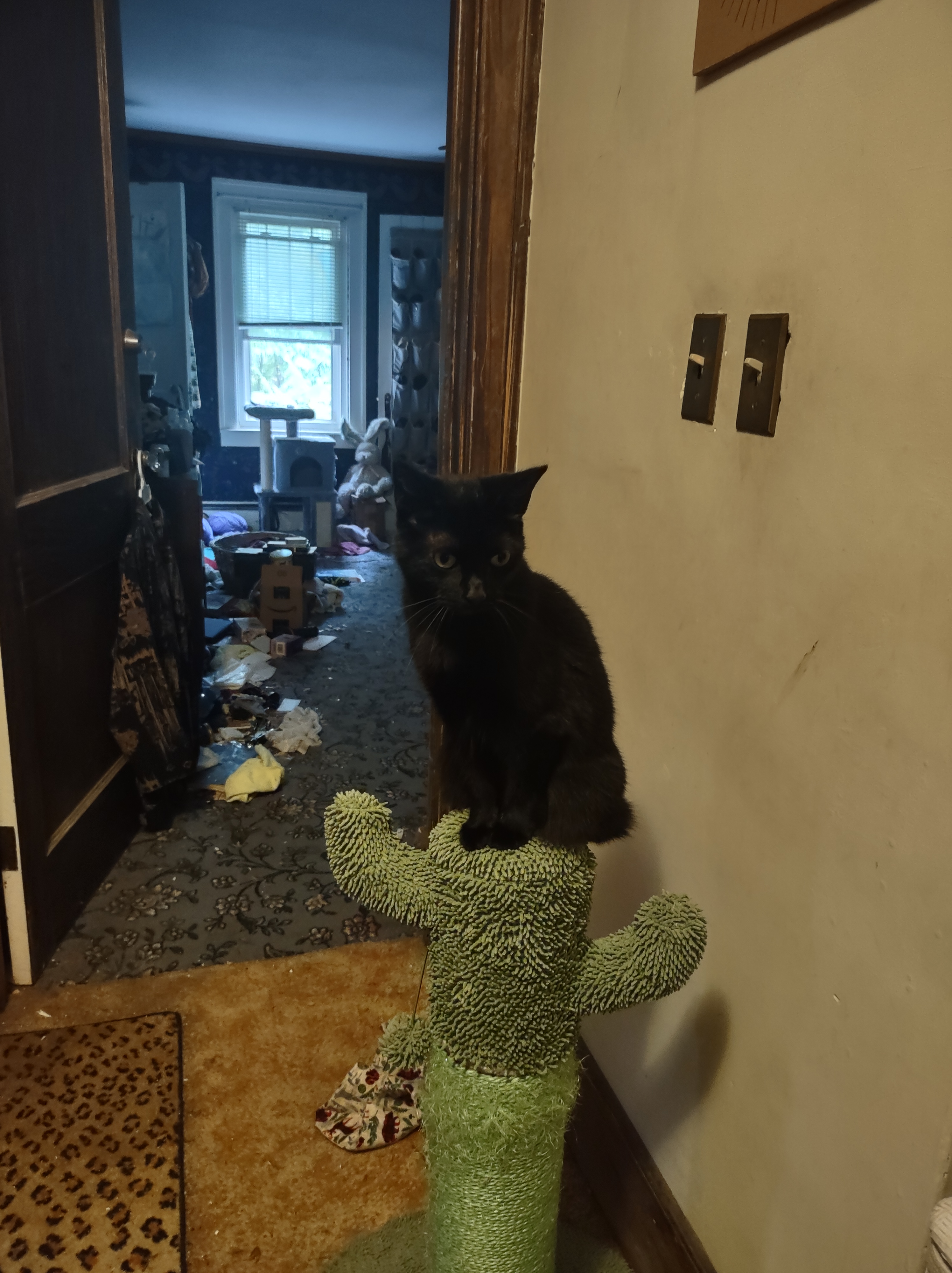
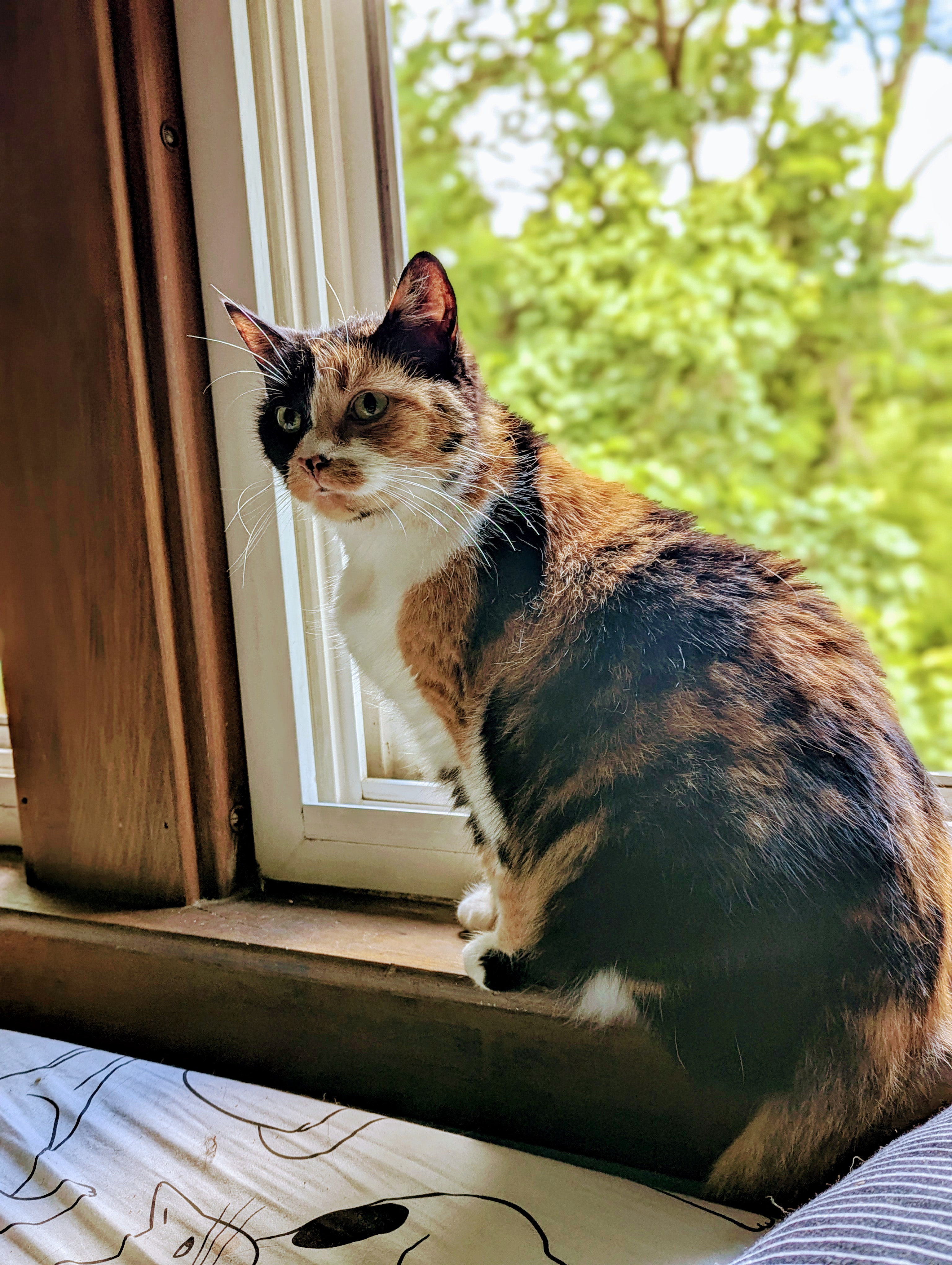
Hello! It’s Onyx here. October is Domestic Violence Awareness month. About a year ago, my human, along with Angel, Gypsy, and myself, had to escape a domestic violence situation involving my human’s former husband (I’ll call him loud human). He was really nice when I first moved in, but as time went on, he became loud, mean, controlling, and eventually, abusive, both physically, emotionally, and verbally. He was mean to everyone in the house, including the mini humans, and the cats. So I’m writing today to bring awareness to domestic violence involving pets. 
  • 71% of domestic violence survivors report that their abuser threatened, harmed, or killed a pet. The abusers will do this as a way to control or get revenge on their victims. Animals may also be used as weapons against the victims. 
  • Half of domestic violence victims would rather stay with their abuser than leave their pets. Thankfully, my human was in a situation where she could keep me (and Angel and Gypsy. Loud Human got Thunder, as she was his cat). She was able to move us all in with her mom. But it’s so sad to know that this is a choice that must be made by victims every day. 

  • 52% of survivors are forced to leave their pet with their abuser. Because of this, 25% of victims will return to their abuser; oftentimes, their abuser will use the pet as a means to get their victims back. 
  • 87% of battery perpetrated pet abuse is committed in front of the abuser’s partner; 76% is committed in front of children. 
  • 13% of animal abuse involves domestic abuse. 

  • 85% of domestic violence shelter workers report that they commonly encounter clients who speak about pet abuse; people in shelters are 11 times more likely to report pet abuse than people who are not abused. 
  • Pet abuse investigations are often starting points for social services getting involved in domestic violence situations. 
  • Domestic violence survivors who reported pet abuse also reported twice as many child abuse cases, as compared to survivors who did not report pet abuse. 

  • Animal abusers are more likely to be domestic violence perpetrators; additionally, these abusers are more likely to have been arrested for other violent crimes, have a history of delinquent behaviors, and often have a history of suffering abuse in their childhood. 
  • 55% of domestic violence survivors report that their pets are very important emotional support structures in their lives. 
  • 19.5% of victims without pets will postpone seeking shelter, whereas 33.3% of victims with pets will postpone seeking shelter. 

  • 65% of domestic violence survivors worry about what will happen to their pet upon entering a shelter; because of this, 40% of victims don’t leave their violent situation due to their pet. 
  • Only 12% of domestic violence shelters can take in pets, and only 24% of shelters can provide referrals for local animal welfare houses. Because of this, survivors have lived in their car for up to 4 months, waiting for a spot at a pet friendly shelter to open up. 

That’s a lot to swallow. There are tips on getting your pet ready to leave a domestic violence situation. These tips include: 

  • Know what shelters around you allow pets, or at least have an established safe haven foster care program. Check out this website for statewide information on where you and your pet may be able to go: https://www.safehavensforpets.org/ 
  • If taking your pet is not possible, try to arrange for your pet to stay with your vet, a local shelter, or a friend or family member. Try to avoid leaving your pet alone with your abuser. 
  • Create a safety or escape plan that includes your pet. 
  • If you do have to leave your pet with your abuser, and are able to go back for them, ask a police officer or member of animal control to escort you. Never go alone. 
  • Put vaccines and registrations in your name; if at all possible, leave your abuser’s name off of them. 
  • Prepare your pet for a quick escape; have all of their pertinent documents (including vet records, vaccination records, registrations, and microchip information) in one place.  
  • After you leave your abuser, there are still some steps you can take to protect your pet. These include:
    • Not leaving your pet alone outside. 
    • Changing your vet. 
    • Bring as much food and medicine as possible for your pet when you leave (and favorite blanket or toy, if applicable). 
    • See if you can include your pet on any legal protection orders you may get. 30 states, including my state of Michigan, allow pets to be included. 
Although resources vary from state to state, I found some national organizations (in the US) that may help your human and you in domestic violence situations. These organizations include the ASPCA ((888) 666-2279), The National Coalition Against Domestic Violence (800-799 SAFE (3233)), American Humane Association (1-800-227-4645), Purina (972.487.2200), and Safe People Safe Pets (617-999-3055).  

Domestic violence is atrocious for everyone involved. And it’s infinitely more difficult to escape when you have a pet. My paws are crossed that one day, domestic violence will no longer be an issue. However, for now, if you or someone you know is in need of resources, please try to access them as conveniently as possible. Stay safe, and have a safe and happy October (which is also Black Cat Awareness Month!)

16

Dear Tabby: Cheeseland’s Favorite Advice Columnist


Sgt Stripes here. I was talking to my cousin the other day about my new job as a writer on the blog. She said that she writes a blog too. She said that she gives advice to other kitties. She said that she had even posted here one time. I was looking through the archives, and she was right. My cousin is Dear Tabby! You can see her earlier work here.

I asked her to answer whether she’d like to answer some questions for our readers. She said that she would be happy to help. She offered to post some recent answers here so you’d know the kind of thing she’s good at.

Here's how your cat experiences the world

Dear Tabby – I’m a 4-year-old lady cat; I would describe myself as pretty shy. I spend most of my time watching Cat TV and chasing the red dot. My human decided that I needed a playmate. I don’t really understand why. I thought that we had a pretty good thing going, Last week, she brought home a kitten. Why? I have no idea. The little guy is pretty cute, but all he does is run around. His favorite game is Pounce. I do not want to be pounced upon. How do I get him to leave me alone? Alone by Choice

Stalking And Pouncing In Cats: Reasons And Solutions, 59% OFF

Dear Alone – Have you thought about pouncing back? At this point, you are probably bigger than he is. Perhaps he won’t be so enthusiastic when he is the pounce-ee rather than the pouncer.

How to Make Your Kitten and Cat Become Friends | Everypaw

Dear Tabby – I am a stay-at-home mom with three adorable kittens. There are a few of us moms who have gotten close and we like to get together to let the kittens play. We are also available to kitten-sit if someone has an appointment or whatever. The issue is our neighbor. I’ll call her Eve. She works outside the home which is fine. However, whenever she has an issue with childcare, Eve just drops her kitten off with one of us without any notice. She says, “You’re home anyway. What’s one more kitten.?” That’s true, but she takes it for granted that we don’t mind and never offers anything in return or payment. We are starting to resent her attitude. How do we tell her nicely that we’d be happy to help in an emergency but we don’t want to be her back-up daycare? Stressed Out Mom

Kittens and Their Development - FOUR PAWS International - Animal Welfare Organisation

Dear Stressed Out – Have any of you ladies learned the word “no”?  You need to explain that your days are not just filled with sharing a saucer of cream and letting the kittens play. If this situation is occurring regularly, perhaps you could help her find more reliable childcare.

Does your dog or cat like to lounge in the sun? | NutriSource Pet Foods

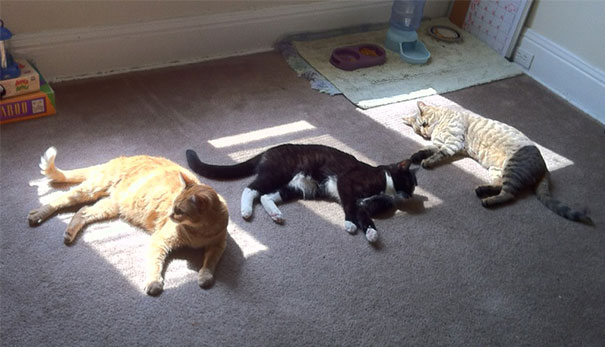
Dear Tabby – I share a home with two other cats. We get along well enough except for one small issue. Where we live, it’s pretty gloomy during the winter with a lot of overcast skies. When spring finally arrives, it’s a battle for the good sun puddles. The prime spot shifts during the day. We’re pretty much okay with whoever gets there first having the spot. We are arguing over whether the cat that claims the spot should get to keep it if they get up for a kibble break. What is the proper etiquette? Sun Lover

188 Cats Who Love Sun More Than Anything | Bored Panda

Dear Lover – I recommend you get a timer. When the lucky kitty gets up, they turn on the timer. If they get back before the timer goes off, they get to keep the spot. Of course, this relies on you all agreeing to how long the break should be. I would advise something in the neighborhood of how long you usually spend at the litter box. Or you could find a larger sun puddle.

Can Cats Eat Carrots?

Dear Tabby – My wonderful boyfriend was told by the doctor that he needs to drop a couple of pounds. So he has started a new food. It seems to be giving him stomach issues. The litter box smells awful. I’m getting nauseated by the smells he’s passing. Should I tell him? Stinky Guy’s Girl

What's That Smell? - Perth Cat Hospital

Dear Girl – I imagine that he is aware of the issue. You can either stay someplace else until his body adapts or start wearing a gas mask.

Sgt Stripes here again. I can’t believe my cousin is so good at this. Does anyone have a question for her?

Pictures courtesy of Google Images

18

World Toilet Day: Let’s Talk Litter

Seven Steps to Toilet Training Your Cat | Hartz

Greetings everyone! We learned that tomorrow, November 19, is World Toilet Day. The United Nations is highlighting the sanitation crisis in much of the world. We really don’t know (or care) about humans and toilets, but it did getting us thinking about kitty waste.

Sand Cat Debuts at Smithsonian's ...

In the wild, cats usually try to find soft or sandy soil for their toilet. It allows for easy burial. Outdoor kitties use their paws in a backwards, sweeping motion to bury their leavings. A litter box tries to replicate this experience. Humans usually refer to litter boxes as a cat things, but other animals use them too. Rabbits, ferrets, miniature pigs, and small dogs have all been litter-trained. The difference is is that we cats generally do it instinctively. (The humans won’t say it, but we’re smarter.)

Lolcats - litter box - LOL at Funny Cat Memes - Funny cat pictures with  words on them - lol | cat memes | funny cats | funny cat pictures with words

Humans like litter boxes because they contain our waste. We like litter boxes because we are generally clean animals and like to be able to cover up our waste. A clean litter box helps us be happy, healthy members of the family.

Lolcats - litter box - LOL at Funny Cat Memes - Funny cat pictures with  words on them - lol | cat memes | funny cats | funny cat pictures with words

There are a wide variety of litters. Generally speaking, we kitties prefer unscented, low-dust varieties. We have sensitive noses that are easily offended by strong smells (unless it’s mackerel). We need two to three inches to allow for proper burial. And it should be scooped daily. The most common type of litter is clay-based. They also make silica-based litter. Silica is dangerous if you eat it. (Although we do not recommend eating any type of litter.) Other alternatives are wood chips, wheat, sawdust, grains, corncobs, and newspapers.  Some of it clumps for easier removal. We recommend you work with your human to find what’s best for you.

Where to Put a Litter Box: 6 Essential Considerations - Bob Vila

There are LOTS of litter boxes to choose from. Around here, you can spend anywhere from five dollars to several hundred dollars, depending on how fancy it is. The simplest ones are just a tray that your human fills with litter.  It should be big enough so you can comfortably get in it to do your business. You don’t want your tail hanging out the end. You also need to make sure the sides aren’t too high to enter and exit comfortably. Here are your choices:

Open Litter Box – These are the traditional litter trays. They are usually the least expensive, so they are a great choice if you need multiple boxes. Some kitties like them because they can keep an eye on what’s going on around them.
Whisker Litter-Robot 3 Connect Wi-Fi-Enabled Covered Automatic  Self-Cleaning Cat Litter Box Beige LR3C-1000 - Best Buy
Covered Litter Box – Basically a tray with a lid. The lid helps keep the odors down, but it’s harder to clean. A good option for the more private cat.
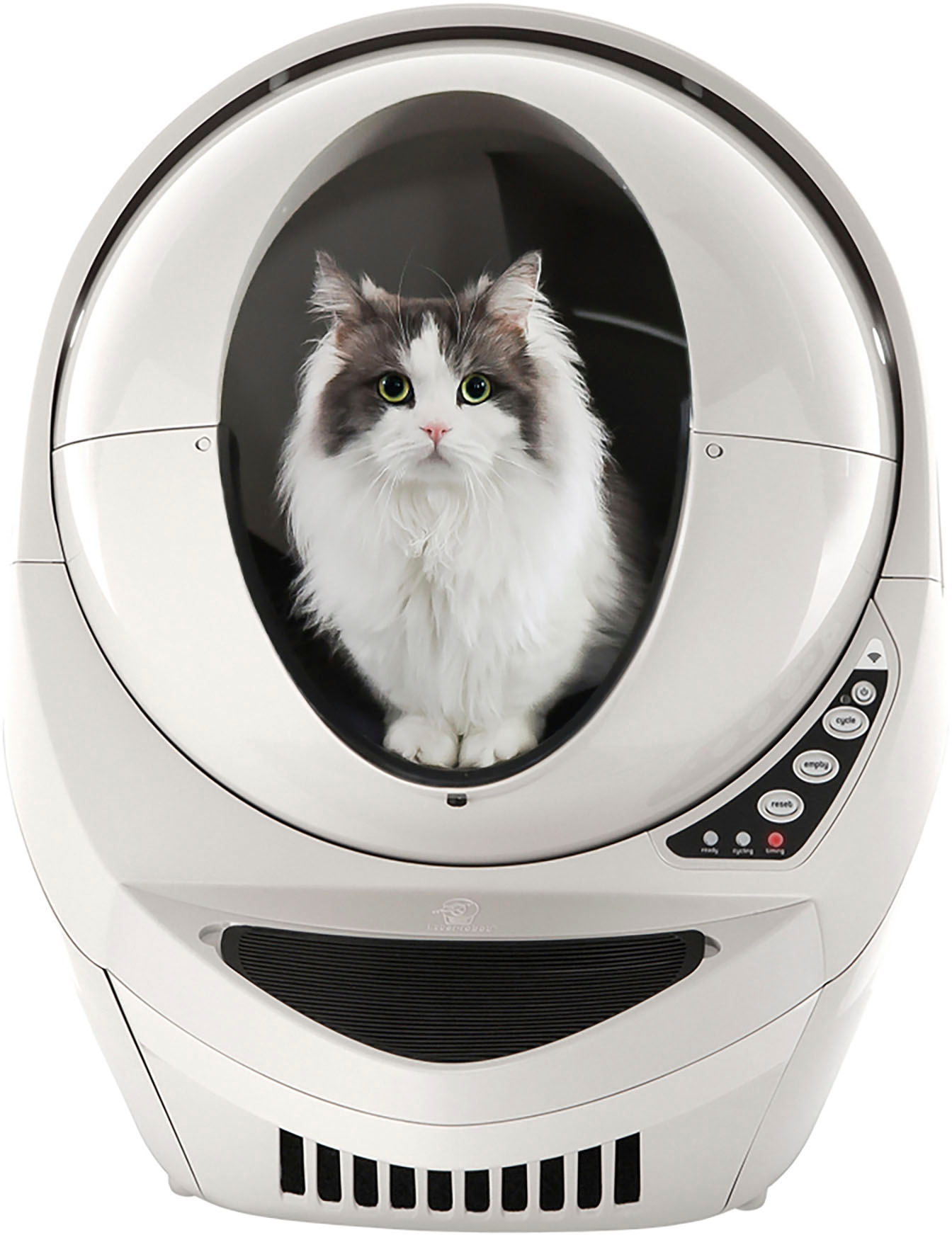
Self-Cleaning Litter Box – These boxes have a raking mechanism that sifts through the litter and collects the waste into a tray. Your human just needs to dump the tray. But they make noise, and some kitties don’t like that.
Designer Catbox Cat Litter Box Enclosure, Hidden, Dog-Proof Pet Furniture  with Cover, Elegant, Covered, Odor Contained for Large Cats, Cat Litter Box  ...

Designer Litter Box – These are made for the discerning cat. They look like high-end furniture and match the rest of your human’s decor. Needless to say, they may be a little pricey. But you’re worth it.

Where to put the cat litter box?
Sifting Pan Litter Box –  One box with a grate on the bottom sits inside a slightly larger pan. Your human lifts the first box, shakes it a little, and lets the unused litter filter through the holes in the grate. Then they dump the dirty litter. We have a couple of these. Our humans like them better than the plain trays.
Disposable Litter Box – Every day, your human just throws everything away. The best ones are made of biodegradable materials that will disintegrate along with the waste.
FIRST RULE OF LITTER BOX CLUB - Lolcats - lol | cat memes | funny cats |  funny cat pictures with words on them | funny pictures | lol cat memes |  lol cats
Finally, make sure that your human has enough litter boxes for you and your furry siblings. There should be at least one litter box on every floor of a house. Additionally, each kitty should have their own litter box with a spare. Generally speaking, litter boxes should not be in sight of each other. (Note – we have two in one room and it really doesn’t bother us. But that’s just us.)
Cat laughing : r/cats

We will leave you with a couple of jokes:

A cat gives birth in a public park and is fined $50 for littering.

Why did the mother cat pick up her kittens? She didn’t want to litter

What do you call books written for cats? Kitty litter-ature

What do you call a cat that can’t use the litter box? Ill-litter-ate

Pet Releaf

Pictures courtesy of Google Images.

22

Cat Forum: Fleas and Indoor Cats

Snoops: Mom has been feeling like a bad cat mom recently. In all of her years of living with cats (including her first cat who went outside regularly), she had never experienced fleas. So when I started scratching, Mom assumed it was my usual winter dry skin. After a bit, Mom was horrified to discover fleas!

Kommando: Of course, fleas are nasty little things, and by that time, they were all over poor Snoops. She had to get bathed and treated.

Snoops: And combed and combed and combed.

Kommando: I got treated too. It was pretty unfair, all things considered.

Snoops: So we thought that we would share a couple of things about indoor cats and fleas.

Look at Them Suckers! - Lolcats - lol | cat memes | funny cats | funny cat  pictures with words on them | funny pictures | lol cat memes | lol cats

Generally speaking, there are four ways indoor cats can get fleas:

  • Neighbors – You know those noisy humans living in the next apartment? Their pets might have fleas. Or maybe the humans do.
  • Fur Siblings – If you live with a dog that goes outside, they might bring in fleas. Or any other critter that comes in from the great outdoors.
  • Used Furniture – That great new chair from the thrift shop might have some unwanted guests. It might even happen if there are fleas in the carpet when your family moves into a new place.
  • Wild Animals – Any warm-blooded animal that is outside is susceptible to fleas. If they have fleas, the fleas will eventually have eggs that may be dropped off somewhere outside the house. When the fleas grow up, they can jump on your humans and get a ride into the house.

Snoops: As near as Mom can tell, I got my fleas from one (or more) of the mice I caught. They come in from outside and set up shop. I get rid of them when I find them, but I guess one got even with me.

Dr. Deb declares, "I'm So Tired of Fleas!" Find out why... | Cat fleas  treatment, Cat fleas, Funny animals

The signs of flea infestation:

  • non-stop scratching
  • spots of hair/fur loss
  • skin irritation
  • excessive grooming
  • loss of energy and pale gums from anemia
  • black specks in the fur or bedding

Snoops: The worst part was that I lost a lot of my thick fur around my throat. I could have frozen to death this winter.

Kommando: Yeah. By the time it grew back, you were getting spring fur.

All my fleas are clean - Lolcats - lol | cat memes | funny cats | funny cat  pictures with words on them | funny pictures | lol cat memes | lol cats

Once a cat has fleas, both the cat and the house need to be treated. Fleas love to hide and lay their eggs in the carpet or any soft surface. Your vet can tell you which treatment is best for you. Treatments include:

  • flea powders
  • flea sprays
  • flea collars
  • spot flea treatments
  • oral medication
  • injections

Kommando: And lots of grooming with a flea comb. Flea combs get out the fleas, their eggs, their dirt, and the extra dead skin they cause on kitties.

Snoops: All that grooming actually feels pretty good.

Kommando: It took a while, but Snoops is back to looking pretty spiffy.

Snoops: Why, thank you!

Kommando: So remember: If you see any of the signs of fleas, make sure your human helps you groom with a flea comb. Better to be over-cautious than let the little monsters take over.

Snoops: It’s a lot easier to get rid of them before they’ve had a chance to spread.


24

Cat Forum: Growing Premium Catnip

How Does Catnip Work Its Magic on Cats? - Scientific American

Greetings from Snoops and Kommando Kitty. We have returned with a special edition of Cat Forum. Last week, we were bemoaning the lack of things to do during the winter. This week we have a project for your humans to help you with. What could be more exciting that having your own catnip plant/patch?

Who likes memes? Want to win a tester kit or a bag of a blend of you  choice? | catablissblog

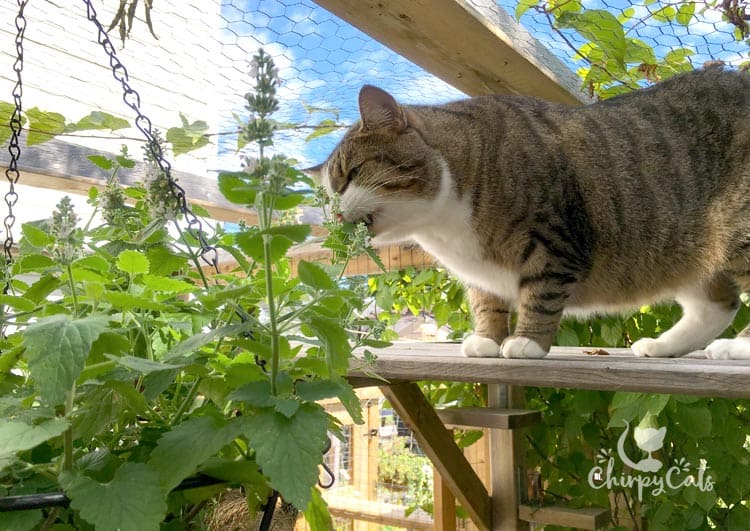
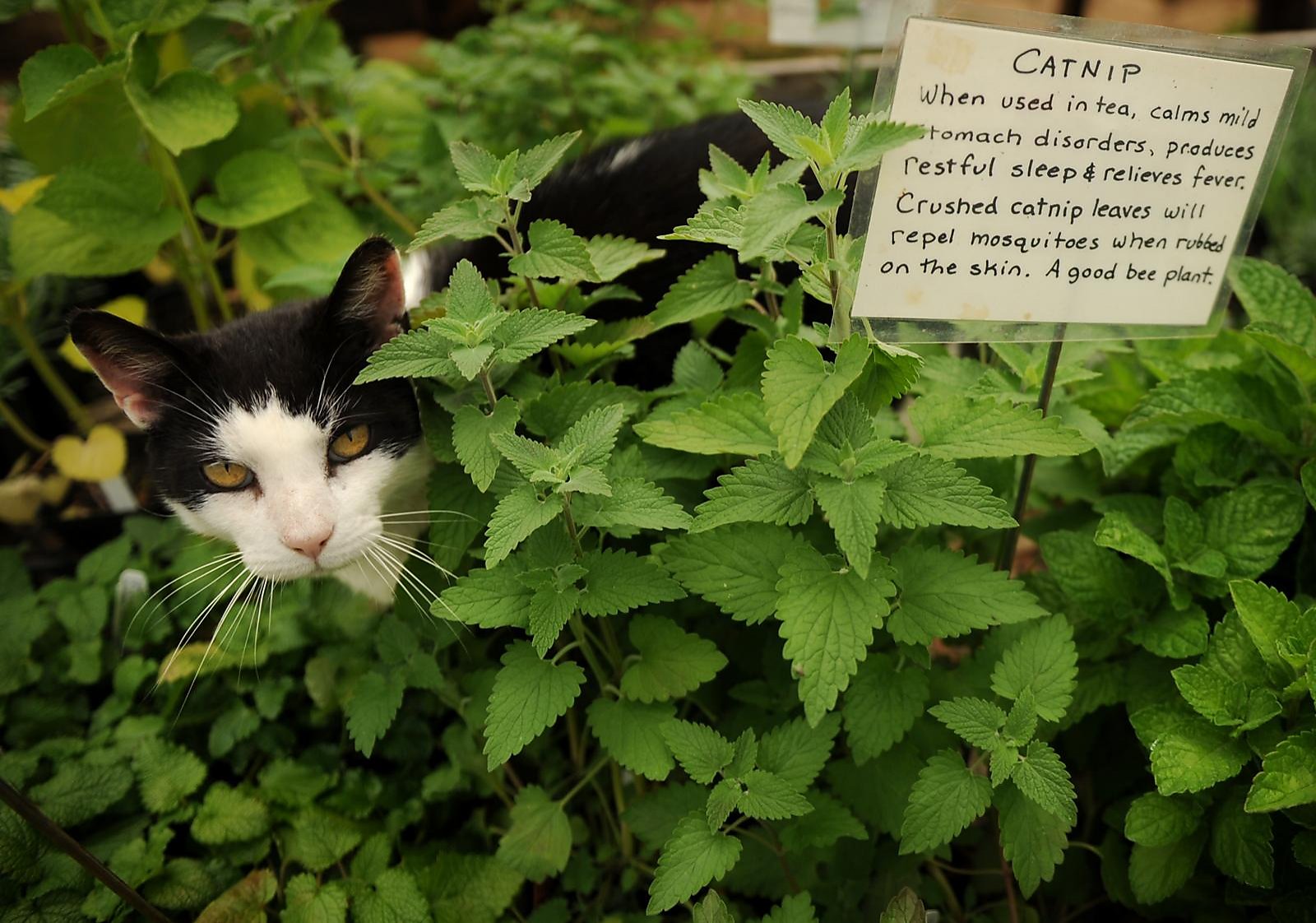
Catnip’s official name is Nepeta cataria. It’s related to mint and lemon balm, and is very easy to grow an maintain. Unfortunately, it can be toxic to cats in large quantities. So if you (or a loved one) tend to overindulge, you will want to grow it in a protected area. We recommend that you have your human do the work while you supervise.

How to grow catnip from seed to harvest

Growing Catnip Indoors

  • It must receive as much direct sunlight as possible. It prefers up to five hours a day. (Plant lights are a possibility if you live someplace that doesn’t get that much direct sun.)
  • It likes the temperature to be between 55-85 degrees Fahrenheit. And like us, it doesn’t like really hot, humid conditions.
  • Catnip prefers to be in soil with average-medium moisture. Don’t keep the soil wet – that can lead to root rot. Don’t panic if it wilts, it will recover.
  • Feed it with weak organic liquid fertilizer every couple of weeks.
  • Cut off budding stems before they bloom. For the average gardener, keep the plant trimmed to a height of 6 inches. You’re looking for a bushy, leafy plant. (It can grow up to 2 feet tall if your human is talented.)
  • The pot needs to be at least 8 inches wide and 8 inches deep with drainage holes. Use potting soil for best results.

Let's plant catnip in the garden they said. It prevents mosquitos they  said. what could go wrong they said. : r/funny

Growing the Most Potent Catnip

If you want really high-grade catnip, you need to grow it outside. You need sandy soil. Your human may also want to consider burying pots of it rather than just spreading the seeds, because it is what humans call “invasive.” (We’re really not sure what’s wrong with having a yard full of catnip, but apparently it bothers some humans.)

Here’s the recipe for top-notch catnip straight from the University of Maryland:

  1. Plant the seeds 1/8″ deep in 10-inch pots filled with a mixture of coarse river sand, moist sphagnum peat moss, and sterilized loam (include 4 tablespoons of dolomitic lime for every gallon of the mixture.) Germinate for 10-20 days at 61-74 degrees Fahrenheit.
  2. Water until water runs out of the pots. Spray the soil 3-4 times per day to keep it moist. (Outside it will require the equivalent of 1 inch of rain per week.)
  3. Dig holes 12-18 inches apart for each pot after the frost has passed.
  4. Thin the seedlings so only the healthiest ones remain.
  5. Place tomato cages around the seedlings to prevent animals from digging them out.
  6. Watch for webbing on the bottom of leaves (a sign of spider mites). Remove spider mites with spray from a water hose.
  7. Pinch back the shoot tips to create thick plants. Cut the main stem to 1 inch above ground after each bloom. Pinch off spent flower heads to inhibit the spread of seeds.
  8. Pull off the leaves from the cut stems or pinch them from the growing plant. Dry in a paper bag for 1-2 weeks before using.

Catnip Buds Field Close Up | Catnip, Field, Fields

What is the most potent part of the plant?

The active ingredient in catnip (Nepetalactone) is found in the essential oil. The oil is found mainly in the pistil (the bud). So make sure you have plenty of buds mixed in with your stems and leaves.

Catnip and other feline favorites in the garden

How do we help keep the plants insect- and disease-free?

Remove dead or dried leaves regularly.

Catnip and Its Effect on Cats, Dogs and Humans - Promega Connections

How do we grow bushy catnip plants?

After flowering, cut the plants back to no higher than 3-4 inches above the ground (you can go as low as 1 inch). It will grow back in a couple of weeks.

Is catnip safe for cats?

How long does it take to grow catnip?

Seeds generally sprout within 5-10 days, but may take up to 20 days if you’re planting outside and it’s still chilly. The plants should be thinned to 18 inches apart when they are 2-5 inches high. You can start harvesting after 12-15 weeks.

Can Cats Eat Catnip? Here's What You Should Know About the Herb

Fun Fact – According to one report, catnip is more effective than DEET in repelling mosquitoes. It was shown to be 10x more effective than standard mosquito repellents according to a paper at the 2001 American Chemical Society annual meeting.

27

Cat Forum: Cats and the Heat

35+] Summer Cat Wallpaper Images on WallpaperSafari

Greetings fellow felines. We’re here to talk about the heat. You would think that with as much as we all love to curl up with an electric blanket in the cooler weather that summer would be a breeze for us cats. After all, we do adore sun puddles. But there’s warm, and then there’s the ridiculous heat that comes around this time of year.

It’s time to call out your primordial cat and make sure you’re following your instincts regarding the heat. This is no time to go “doggo” and start exercising with your human.

26 Cats Who Are Getting Cozy In The ... Sink? – Meowingtons

Conserve your energy. Sleep when it’s hot; prowl when it’s cooler. Nothing interesting happens in the heat of the day anyway – everything else is avoiding the sun too. It’s the perfect excuse for taking longer naps.

Sleep someplace cool. Tile floors are great in the summer. They stay cooler and don’t retain heat. Sinks work well if you want to avoid being stepped on. Try to avoid the rooms with big, open windows that let in a lot of sun. You don’t want to sleep in those intense sun puddles either.

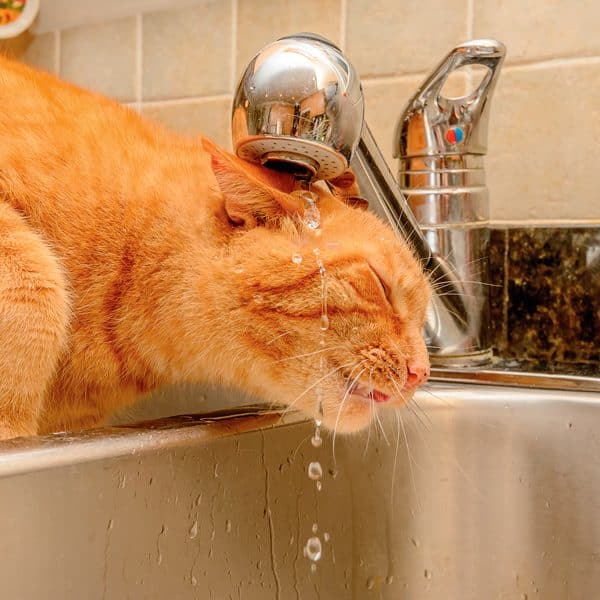
Cat Drinking Fountain

Groom yourself. As the saliva dries, it will help cool you down,

Hydrate. Drink water whenever you get the chance. You’re thirstier in the heat, and drinking cool water will help you cool down.

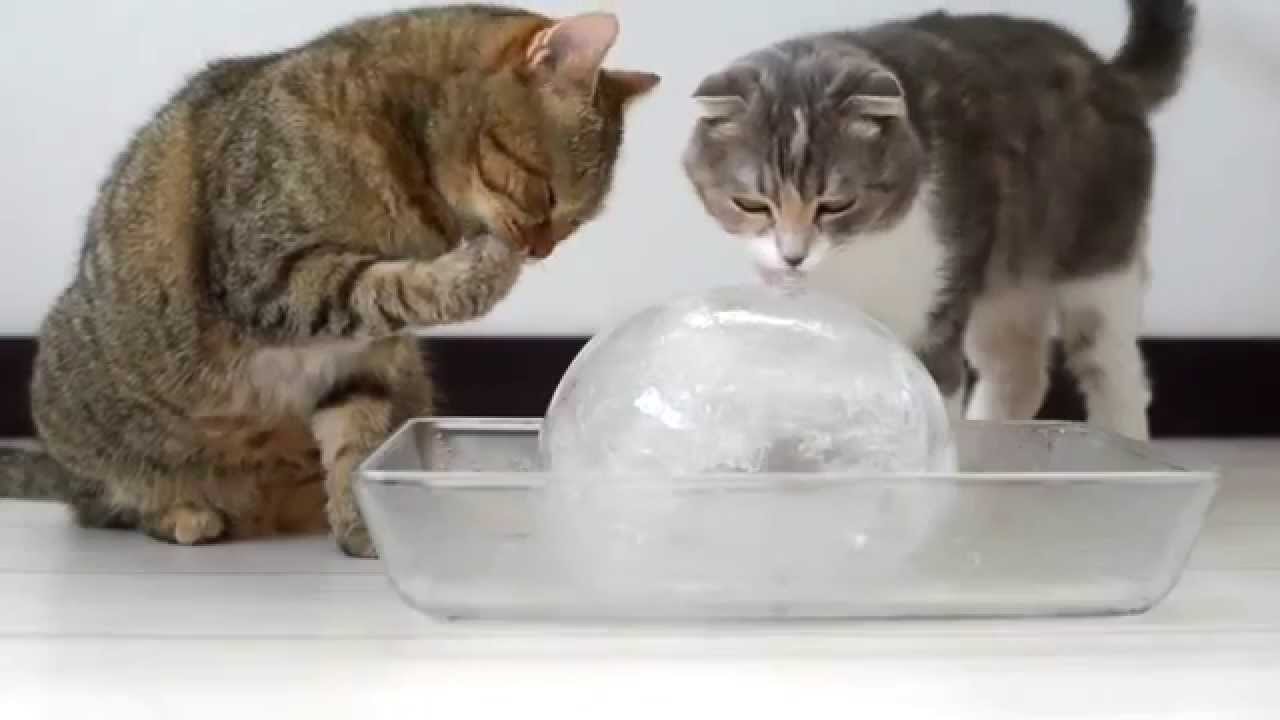
Is It Safe To Put Ice In A Cat's Water? | Purr Craze

You also need to talk to your human about things they can do to help you deal with the heat:

Make ice toys. We like to play with ice cubes. They slide nicely and are fun to pounce on. They also help to keep our paws cool. (In case you didn’t know, paws are where we gain and lose heat.)

Cooling mats. If your house is really hot, or if you get overheated easily, a cooling mat is a great idea. Your human can buy one or make their own out of freezer blocks and a thick blanket (don’t let them get the really cold stuff next to your fur/skin). In an emergency, a package of frozen vegetables will work.

Caturday Pootie Diary: Fur Couture

Wet towel. If you’re feeling extra warm, your human can help by wetting your fur with a towel or their hands. It will feel really good as the water evaporates. At the least, dampening your paws will offer quick relief.

Brushing. Our fur coat helps to regulate our temperatures, but loose furs just make us hot. Getting brushed daily helps keep us as cool as possible.

Catster Quiz: Is Your Cat a Hot Mess? - Catster

Watch for signs of overheating. Heavy panting and loss of energy are early signs that we are too hot. Agitation, rapid breathing, skin that is hot to the touch, drooling and vomiting may be signs of heatstroke and are a medical emergency. You need to see a vet.

Multiple sources of water. It is a good idea to have lots of water available in extremely hot weather. Adding ice cubes can help keep it cool. It is especially important to have water available outside this time of year.

Most interesting cat in the attic. : MostInterestingCats

Provide sunscreen. It’s best if you stay inside between 11 am and 3 pm when the sun is the strongest. If you need to be outside, your human can provide sunscreen (feline variety, not human) if you are one of our pale-colored or sparsely-furred kin. Your ears and nose are particularly susceptible to getting burnt. Warning sign that requires a trip to the vet for an outdoor or indoor/outdoor cat: crusty, scaly, or sore-looking skin.

Keep poorly ventilated rooms closed. This isn’t a good time of year to be exploring the attic or the space behind the refrigerator. If you do get caught someplace hot, make sure you drink plenty of water when you get out. And let your human know if you don’t feel well.

15 Cats Sleeping In Weird Places | Cats, Cat sleeping, Cute cats and kittens

Finally, talk to your humans about helping any stray/feral cats who may be around. If possible, offer a shady spot and fresh water. Plastic bowls are better than metal ones because they don’t get as hot and won’t burn if the cat touches it. (Metal is also not recommended in the winter because the cat’s tongue can freeze to it.)

Now that you know how to stay comfy, have a pawsome summer! And send your human out for a mouse-sicle to enjoy.

Cat Facts: 5 Amazing Ways Your Cat Stays Cool In The Summer - CatTime

Pictures courtesy of Google Images.

21

Flowers are Not for Eating

Do You Think Plants Should Have Warning Labels for Cat Owners? - Catster

Spring is here. Pretty soon all of those yummy-looking flowers are going to be back. We just want to remind you that flowers are for looking (and smelling), not for eating. They might feel good going into your mouth, but your tummy won’t be happy. In fact, some flowers can poison us. They make us really sick and some can even kill us.

Lolcats - spit - LOL at Funny Cat Memes - Funny cat pictures with words on  them - lol | cat memes | funny cats | funny cat pictures with words on

If you put something in your mouth, and your mouth starts to burn, SPIT IT OUT! Mouth irritation and lots of drool are the first signs that something is not right. Usually, if it’s bad for us, our systems try to get rid of it as quickly as possible either by vomiting or diarrhea. Neither one is a lot of fun, and our internal organs can get injured while the poison is inside of us.

Important Note: We don’t even have to swallow the flower to get sick. Chewing on it can cause a problem.

For Cats Lilies are Attractive and Toxic Just Cats Veterinary Clinic -  Veterinarian in Saratoga, NY, USA

AVOID THESE FLOWERS: Some of the flowers that are really bad for us are lilies, daylilies, daffodils, hyacinths, kalanchoe, azaleas, hydrangeas, tulips, oleander, lily of the valley, and chrysanthemums. If you are invited for Easter dinner somewhere, the Easter Lily is NOT an appetizer.

Lolcats - Flower - LOL at Funny Cat Memes - Funny cat pictures with words  on them - lol | cat memes | funny cats | funny cat pictures with words on

Some flowers may make us sick to our tummies, but are not known to cause lasting damage. They include lilacs, roses, sunflowers, petunias, camellias, snapdragons, and daisies. Note: Persian lilacs (Melia genus) are poisonous.

fbtlfpltt | Cute animals, Weird animals, Crazy cats

Some points to consider before dining on a flower:

  • Lilacs taste bitter. We’d recommend you find something tastier.
  • Roses have thorns. Why risk tearing your delicate mouth?
  • Humans seem to be rather attached to their flowers. You may upset your human if you eat them.
  • We’re carnivores. Flowers are not meat.

Why Cats Jump & How to Control It | Hill's Pet

Talk to your human, and request that they not bring poisonous flowers into the house. We cats all have cat magic and can get to places the humans think are “cat-proof.” Sometimes, curiosity gets the best of us.

Pin by Quilling Wonderland on Be Furry ♥ Nap Time ♥ | Cats, Crazy cats, Cat  sleeping

If you go outside, we recommend avoiding all flowers just to be safe.

Wallpaper : cat, grass, plants, leaves 1920x1200 - - 1026519 - HD  Wallpapers - WallHere

We are only providing an example of problem flowers as a reminder of the danger. Your human should always be alert to the possible danger of bringing new plants into a house where you and your furry siblings live.

Cat on the Phone Big Boss | Funny cat photos, Funny cat pictures, Funny cats

Finally, if you live in the US, make sure your human has the number to the Pet Poison Helpline: 855-764-7661 and ASPCA Poison Control: 888-426-4435. They can call those numbers for help if your vet is not immediately available.

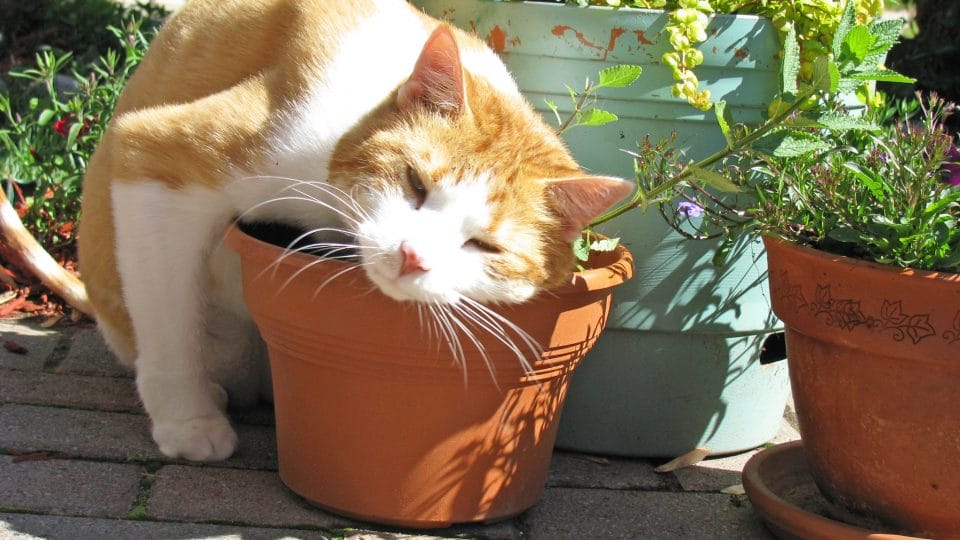
59 Cats in flowerpots ideas | cats, crazy cats, cats and kittens

Pictures courtesy of Google Images.

17

Tummy Time with Thunder K. Katt

Greetings! Welcome to Tummy Time with Thunder! In today’s blog, I’m going to educate our humans on feline tummy facts- from digestion to fur, it’ll all be here! Before we get started, I must make a disclaimer for any kitties who’s humans have a human kitten- humans have a very weird idea of “tummy time”. It is not, in fact, a time where you place your human kitten on their tummy so they learn to crawl. I’m not pawsitive how this misconception became widespread, but I’ve had to break my humans of this habit- so I thought I’d let everyone else know prior to developing weird ideas. With that being said, let’s jump in so we can learn more wonderful facts about us already beautiful creatures!

First thing first: all cats love eating. My purrsonal motto is eat, nap, play. However, as with any creature, there are good things to feed your kitty, and foods that could harm us. Some treats to give us include fish (tuna needs to be given in limited quantities); chicken; beef; liver (in limited quantities); eggs; berries; bananas; melons; apples (make sure there are no seeds on the apple); sweet potatoes; carrots; lettuce; squash (including pumpkin); green beans; and zucchini. Foods you want to avoid giving your feline friend are lactose based foods (kittens being the exception; kittens need milk for the first three weeks of their lives); raw fish; bones; alcohol; stone fruits (such as peaches, cherries, apricots, nectarines, or plums); caffeine; citrus; grapes and raisins; garlic; onion; chocolate; potatoes; raw bread dough; macadamia nuts; mushrooms; fat trimmings; and xylitol (a sweetener found in some peanut butters, gums, and sodas). If you want to give your kitty a dairy like treat, opt for dairy flavored cat treats, or cat milk. Most cats do not have taste buds that can comprehend the sweet flavor, so don’t feel obligated to provide sweet foods for your cat unless they’ve established a liking for them. 

Cats are obligate carnivores, and should not fast (if anyone tries to get their cat to fast, that just seems evil. Mom let our dry food run out for a whole work shift one time, and we almost starved to death). Although cats can have some veggies and grains, their diets should consist primarily of meat. 

Now, I’m going to talk about the actual digestive system and process of us cats. Though our process is undoubtedly superior to humans, there are some intricacies that everyone should be aware of that I’ll highlight here. 

The digestive system of a cat consists of seven parts: the mouth; esophagus; stomach; duodenum (which is a fancy way of saying gallbladder, pancreas, and liver); small intestine; large intestine; and rectum. The duodenum absorbs what can not be digested through the stomach and intestines, including bacteria, fats, sugars, and proteins. These components are either stored and converted into insulin, or discarded as waste. The average time a cat takes to digest a meal is around 20 hours.

Cats don’t chew in a sense typical to humans; though our jaws can open much wider than a human jaw, it cannot move from side to side, an essential part to how humans chew. Instead, cats grab chunks of food with their tongues, and use their tongue and saliva to shred the chunks of food. Once the shredded food is in our tummies, our stomach acid is strong enough to dissolve bones; therefore, we mostly digest liquid. 

Cats are unable to synthesize certain required nutrients, including fatty acids, taurine, vitamin A, and vitamin D. Because of this, cats require a higher level of protein in their diets, because proteins break down into 11 essential amino acids, including taurine. A lack of taurine can lead to retinal degeneration and heart issues. 

Cats don’t have the ability to store carbohydrates like humans do. Because of this, crude fats, fatty acids, and fibers are vital to moving the digestive process along, including nutrient distribution. 

Cats are hunters, not scavengers. This means we prefer fresh foods, and why we turn our noses up at aged offerings. Additionally, cats are experts at knowing what nutrients their bodies need, and we will select or reject food based off of these needs. We’re not being finicky- we’re being healthy! 

The last (and best) part of my blog is going to be focusing on our beautiful tummies and furs! If a cat shows you their tummy, this means they trust you completely. The highest degree of this compliment is if we fall asleep tummy side up- this means we are so comfortable around you and our environment, that we trust you to keep us safe from any dangers- including protecting the vital organs that lay just beneath the surface of our tummy skins. Please keep in mind, even if a cat shows you their tummy, this does not mean they want tummy rubs! If you’re heart set on rubbing that furry tummy, please come in from the side, as a direct swoop down can mimic an attack to cats. 

You may have noticed a low hanging furry pouch from your cat’s tummy, near their hind legs. This isn’t a result of too many treats- this is called a primordial pouch. This pouch is made of excess skin and fat, and is used to not only store food, but can also provide extra protection, and facilitate stretching and movement. Breeds more likely to have these pouches are cats used to cold weather, and Pixie Bobs, Egyptian Maus, Persians, Japanese Bobtails, and Bengals. 

Like humans, cats can have different textures and lengths of furs on our tummies (as well as the rest of our body). Some cats have curly furs, while others have straight. Breed and length of fur contribute to whether or not your tummy furs curl or not; the longer the fur, the more likely you are to curl. Heat and humidity also contribute to this. 

The only time you should notice your cat losing tummy fur is if it’s excessively hot, if your cat is pregnant or lactating, or if your cat is aging (this typically happens between 10-15 years of age). If you notice fur loss outside of these reasons, or if your cat is losing fur rapidly or in patches, get your cat to a vet. You should never notice a bald or thin spot on your cat’s tummy. 

This concludes Tummy Time with Thunder! Hopefully you learned a little about our tummies, both the inside and out! And remember, if your cat doesn’t like tummy rubs, feel free to swing by Michigan; my sister, Gypsy, and I happen to love tummy rubs, and will take all you can give! 

Furs and purrs,

Thunder K. Katt.

26

How a Cool Cat Stays Warm

You may remember Thunder, the most outspoken of the kitties who own our human sister and her family. She’s back to offer her tips for surviving the winter as we live through its unending stay.

Hello everyone, Thunder here! To those who may not know, I’m a Michigan kitty, and that means we have yucky, cold weather for a good part of the year. After watching my humans freeze (that lack of fur must suck!), I decided to share some tips on how to stay warm, no matter what the temperature!

Have your human get a bed warmer (and make sure they leave it on)! Mom got one for Christmas, and it’s guaranteed to warm paws and tummies even on the coldest nights. Share your bed with more than one person? Sunbeam makes one with dual sided controls, so everyone can be comfortable! 

Curl up on any available fabric. If you aren’t lucky enough to have a 24/7 bed warmer, any fabric will do. This includes blankets, towels, clothing, and the sofa, amongst many other options. While they may not radiate heat, they’ll act as a soft and cozy insulation. 

Sit near the heating vent. If it’s on a wall, sit right up against it. If it’s on the floor, lay directly on top of it. This may not be the most comfortable option, so kitties with sensitive furs, be careful if choosing this option. Don’t worry if your human complains at you- how often have they allowed your food dish to run out?

Cuddle up with your humans. Humans heaters have two benefits- they’re extra warm, and in cold weather, they don’t like to move much; this means disturbances should be at a low. Make sure they’re wearing comfortable sweats, or even a blanket for the maximum experience. 

Utilize your furry siblings. Much like your humans, your cat (or dog) siblings are a direct heat source- and fur is bound to be more comfortable than skin! However, if your siblings are like mine, and seem to think social distancing applies to cats as well as humans, it’s best to avoid this measure.
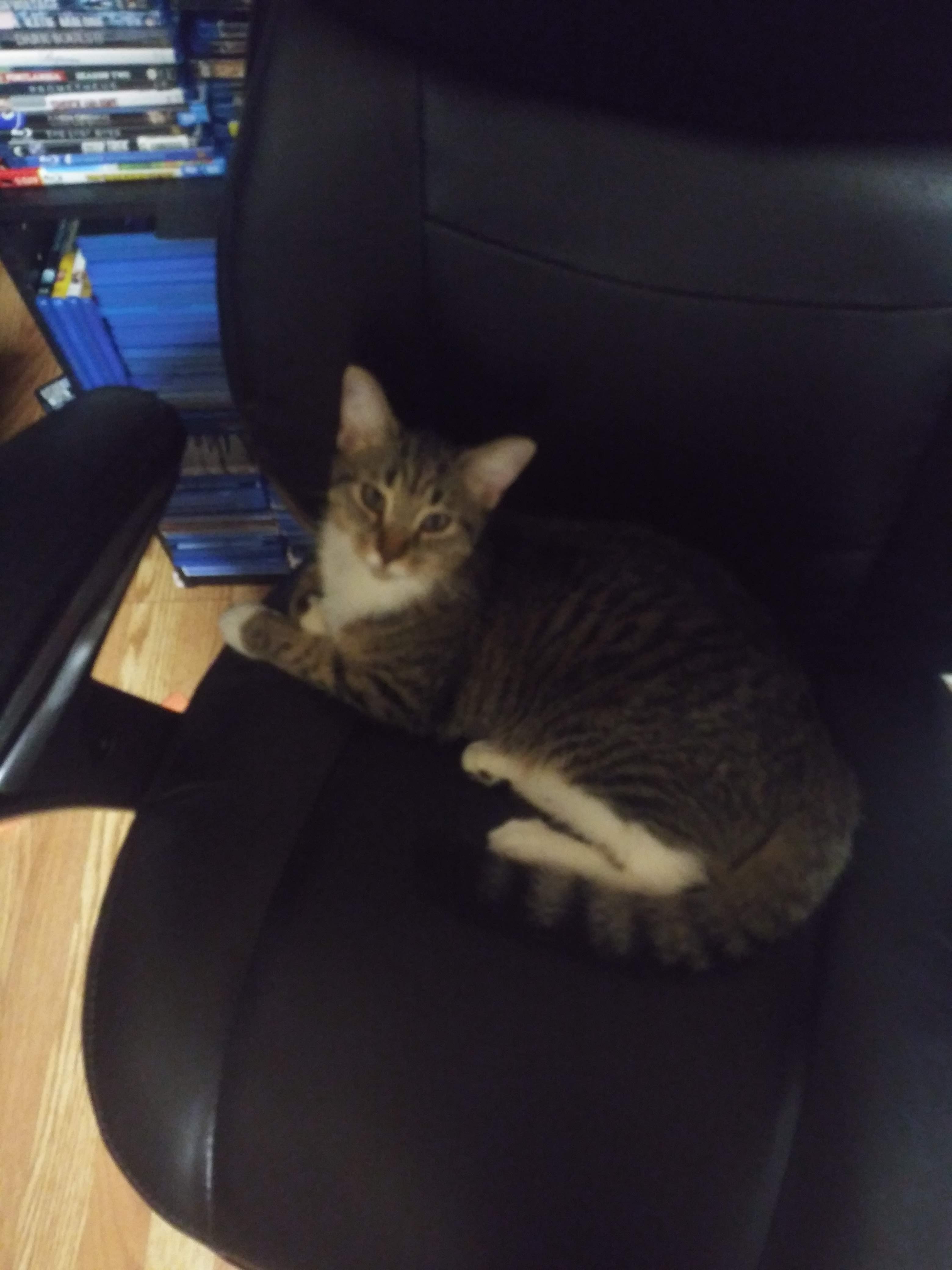
Grab any available sun spot. Sun spots may be less common in these months, so if a sun spot appears, grab it (bonus points if the sun spot falls on a nice soft blanket or bed).

Try to spend the majority of your time in the warmest room in the house. Most humans seem to heat one or two rooms more than the others. In our case, it’s the kitchen, and the Human Kitten’s room. Plan your day so you spend most of it in the warmest spot. 

Showers may be wet and tedious- but the steam will make a nice warm pocket of air that you can lounge in for a couple of minutes. Just make sure you don’t sit in the actual tub until it’s dry- unless you’re a water loving kitty. 

Dryers are warm and rumbly when in use- make sure that your human keeps the top of the drying machine warm, and take a 45 minute nap when it’s in use. It’ll even stay warm for a couple of minutes afterwards, so there won’t be a rush for you to find a new spot right away. 

Image result for cat with toys meme

Humans have to cover their paws when they go outside. While these paw covers are great to play in, and possibly even hide your favorite mousie in, they track in all sorts of goop from the (not so) great outdoors. This includes clots of snow and ice. Not only are they cold, but they’re also wet! What a horrible combination! As we all know, humans are a bit clueless, so try to keep their shoe tray clear (an occasional toy or furball is fine). You also may need to put some of your larger, bulkier toys just inside the door frame- when they trip, or jump to avoid them, not only will you get some entertainment, but it’ll also remind your human to remove their gross paw coverings. After all, a warm house starts with a dry house. 
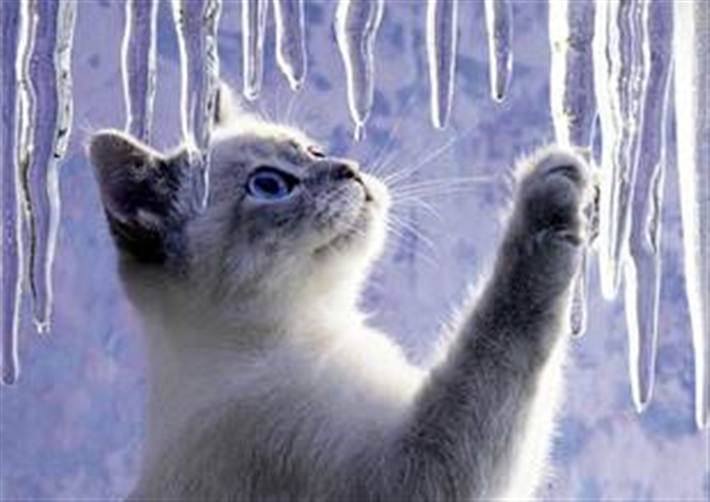
Bulk up- the larger you are, the warmer you tend to be. Your humans spend hours away each day, working hard for money. That money is made for you. And what better expenditure than cat food? Eat as much as you desire- any extra winter fluff will fall off when cat TV returns in the spring and you can chase the birds and squirrels again. 

Winter is brutal- remember that your happiness is top purrority. Stay inside if at all possible, and stay safe and warm. Nap often, and remember cat approved weather is on the way.

Furs and purrs,

Thunder K. Katt

29

It’s Winter: Do You Have a Happy Cat?

Cats in Winter

It’s that time of year again in Michigan. Snowy, cold, and generally unpleasant. We know some of you are in the same situation, so we decided to research the best ways to keep us safe and warm in the winter. Please share this with your human.

Let's Talk About Ways To Keep Outdoor And Feral Cats Safe In The Winter -  CatTime

Yes, we get cold. Humans can get a little annoying about this point. Even with fur coats, most of us have a limit to how cold it can get before we feel it. If it feels cold to you, it probably feels cold to us too. And please don’t turn the heat down too far when you go to work.

Keeping Cats Warm in Winter | ThriftyFun

Ways to keep us warm:

  • Cuddle with us.
  • Give us a blanket or cat bed in a warm place. Older cats may need a heated bed to deal with arthritis.
  • Feed us nutritious food to keep our fur thick and fluffy.
  • Keep the house warm.

Cat Relaxing In Front Of The Fireplace

Don’t let us get too close to the fireplace or space heater. We are creatures of comfort and love being warm in the winter. But singed fur doesn’t smell good. And we could knock over the heater. Some of us are not as careful as we could be. (We are NOT clumsy.)

Scratching | Petfinder

We get dry skin in the winter, just like you. Check our skin once in a while, and make sure you brush us. If we are scratching or biting a lot, it probably means dry skin. If you’re concerned, call the vet.

Welcome to our Mobile Friendly Pet Sitting WebsiteThere is a BUG in my  house! - Pet Sitting and Dog Walking in Cary, Durham, Raleigh NC, Wake  Forest, Chapel Hill, Garner, Apex, Brier

We can get fleas in the winter. Don’t stop whatever precautions you are currently using.

Is Your Cat Sleeping Too Much? Winter Could Be The Cause - CatGazette

It’s normal for cats to sleep more in the winter. Our internal clocks are guided by the sun, the same as yours. (We just admit that we want more sleep.)

Cat Standing In The Snow | Know Your Meme

Don’t forget us when you buy stuff in preparation for a storm. Make sure there’s enough food, treats, and litter. We get really cranky if we don’t eat.

Does Your Cat Have a Drinking Problem? - Catster

We still get thirsty. The air is drier, and we like our water. We also get cranky if we don’t drink.

Why Keeping Outdoor Cats Warm in Winter is So Important

Don’t forget if you let kitty go outside. We can get frostbite on our noses, ears, and paws. And it hurts. And don’t let us out if it gets extremely cold or a storm is coming. Yes, we will complain.

How to Care for Feral Cats During the Winter

Don’t forget the cats who live outside. If possible, set up a warm place for them to use. Provide food and water in somewhere sheltered; some place other critters can’t get at if possible. And check the water frequently to make sure it isn’t frozen.

Here's Why You Should Spend More Time Cuddling With Your Cats

Finally, don’t forget the extra cuddles! We can warm you up too.

How to keep outdoor dogs and cats warm in the winter - ExpressNews.com

Pictures courtesy of Google Images.


zumpoems

Zumwalt Poems Online

Cats Working

Where cats think...talk...and type...

site do pflkwy

Sobre notícias e política com um viés nacionalista - onde os bravos nunca ousaram percorrer e que não espere deste o obsequioso silêncio dos covardes, amortecendo consciências, desarmando resistências que só no fátuo da retórica da ideia, da moral e da ética é que se venera seu oponente evitando a sedição!

WORDSOUPS

by MMC 2.0

Dogpaddling Through Life

A neurodivergent woman maneuvering the rapids of life with the help of companion animals

TheEnlightenedMind622

Open Your Mind

Samiran Mandal

Sundarbans,The sunderbans, Sundarban Tour, Sundarban Travel Guide, Mangrove Forest, UNESCO World Heritage Site, Royal Bengal Tiger, Tiger Sighting, Wildlife Photography, Bird Watching, Sundarban Safari, Houseboat Tour, Ecotourism, Adventure Travel, West Bengal Tourism, Bangladesh Tourism, People of Sundarbans, Local Culture, Bonbibi, Mowal, Honey Collector, Sundarban Legends, Mangrove Ecosystem, Conservation, Climate Change, Biodiversity, Sundari Tree, Sundarban Itinerary, Travel to Sundarbans, Kolkata to Sundarbans, Sundarban Boat Trip, Wildlife in Sundarbans, Saltwater Crocodile, Spotted Deer, Indian Python, King Cobra, Sundarban National Park, Sundarban Tiger Reserve, Bay of Bengal, River Cruise, Nature Photography, Forest Life.

Histopedia

story telling from history

LIVING WITH CHRONIC PAIN WITH ANNA AND MAX

A mixture of information, awareness, quirky daily prompts, and cute stories

Commonplace Fun Facts

Mind-Blowing Facts You Didn’t Know

My diary

Where words dance, and life sings.

Going Medieval

Medieval History, Pop Culture, Swearing

Pain In The Bud

Feline humor, news and stories about the ongoing adventures of Buddy the Cat.