
(Ed. Note – Due to a glitch in the Tags last week, the post did not show up in the live feed until late Saturday afternoon last week. It looks like that kept some of you from seeing the post at all. Part 2 will make a lot more sense if you look at Part 1 here before reading this post. We apologize for any inconvenience.)
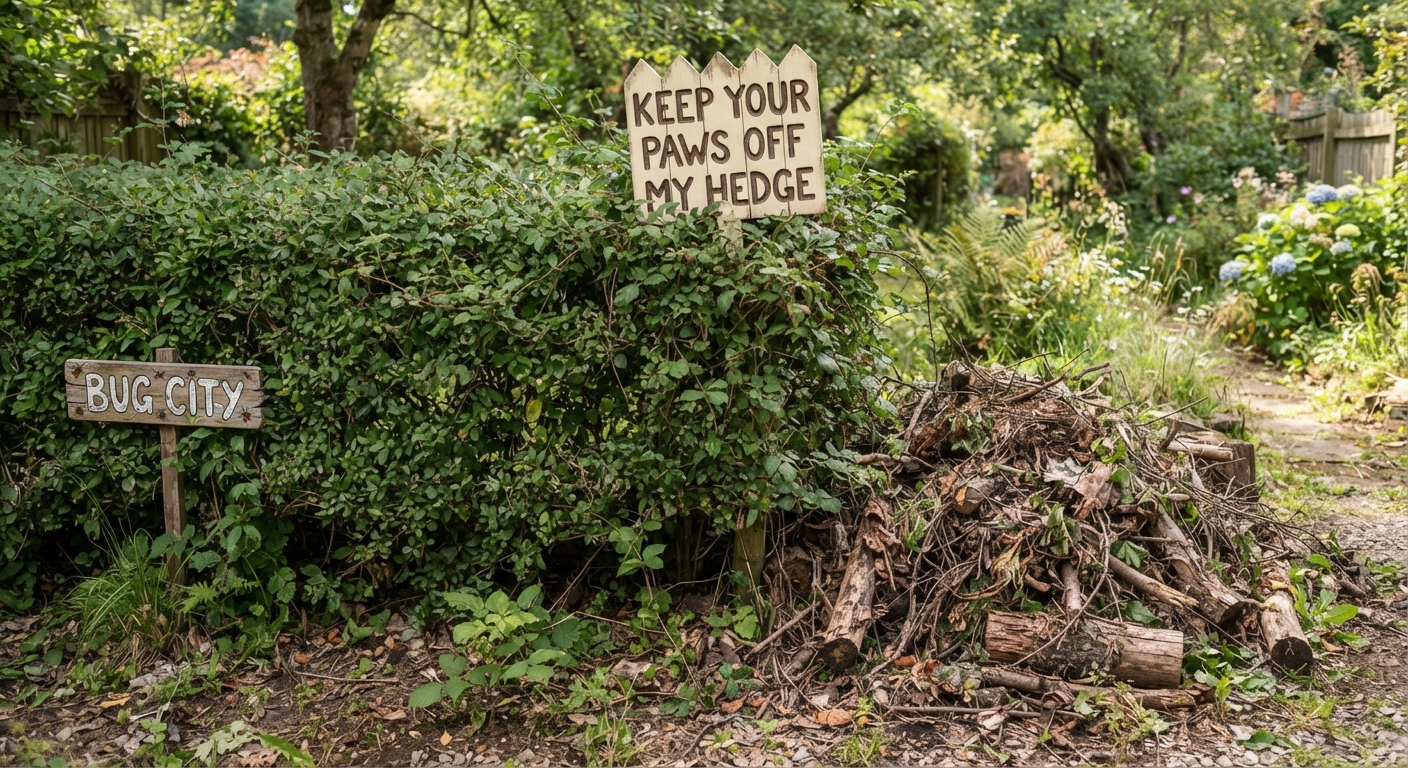
Where we are: Ian and Janis Hedgehog’s hedge is going to be torn down due to being described as “blighted”. All of the creatures who share the hedge/brush pile are devastated. They are counting on Ian to convince the head of zoning, Chester Allen, that they should be allowed to stay.

Ian and Janis were up early Monday morning.
Janis: How are you going to handle talking to Chester?
Ian: I’ve been looking through the zoning regulations. It appears that “blight” is only mentioned in Part IV of the document. The section on the notice is for IV.3.c. It does say that brush piles are considered blight. But directly below that, IV.3.d says the rule doesn’t apply to properties over 2 acres or owned by native non-humans.
Janis: I don’t know about the size of the property, but it’s owned by foxes who are definitely native.

Ian: Wish me luck. Hopefully, Chester will listen to reason.
Janis: As soon as you tell him why the rule doesn’t apply to us, we’ll be fine.
When he got to work, Ian discussed the situation with a few of his coworkers. He showed the regulations to the group.
Gus Gopher: It looks pretty well defined. You should be okay.
Adam Anteater: You should look up the paperwork the foxes had to file when their bought the property so he doesn’t try to tell you that someone else owns it.
Ian: I hadn’t thought about it. That’s a great idea.

Cate Calico: I had to work with Chester on one of my cases. He’s not the brightest bulb in the chandelier. And he’s kind of stubborn.
Gus: I think all badgers are stubborn. Once they have an idea, it’s hard to move them.
Ian decided that he would start with an email detailing why the ordinance didn’t apply to Commerce Commons.
Chester’s reply was short and to the point. “The ordinance defines brush piles as blight. We are going to remove the brush pile at the end of thirty days.”

Ian: I can’t believe this guy! He didn’t even respond to the part of it being owned by foxes. He just doesn’t like the brush pile.
Cate: I was afraid of that. Someone got to him before you did, and now he hates brush piles. He probably didn’t care one way or the other before that.
Gus: He most likely has brush piles in his neighborhood and never paid any attention until now. What are you going to do?
Ian: I need to talk to him. I’ll call so I can explain our position.

Ian tried to call Chester several times over the next few days. He left messages but got no response. By Friday, he’d had enough. Ian decided to stop by Town Hall on his way to work. He arrived before everyone else and waited. When they opened the door, he told the receptionist Suzy that he was waiting for Chester Allen.
Suzy: Is Mr Allen expecting you?
Ian: Not really. I’ve been trying to talk to him all week.
Suzy: Oh. Are you…
Ian: Yes, I am Ian Hedgehog, and I need to speak with Chester.
Suzy: Mr Allen is very busy. I’m sure he’ll call you back as soon as he has a moment.
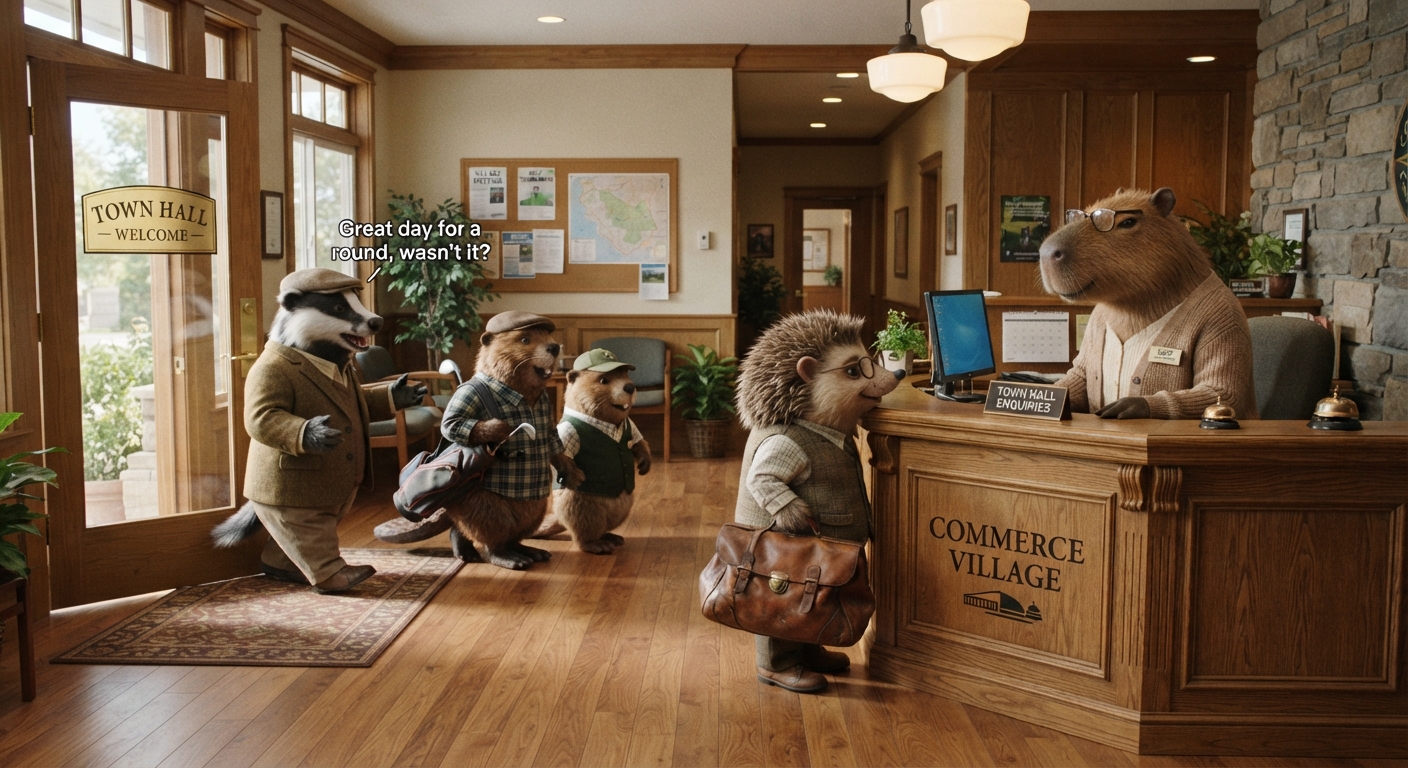
Just then a badger and a couple of beavers came in discussing their golf game the previous afternoon. The badge saw Ian waiting. He immediately picked up his pace. Ian followed him to his office.
Ian: Good Morning, Chester. I’m Ian Hedgehog. I need to speak with you, and it seems that you have been ignoring my calls. I thought this might be the only way to catch you.
Chester: I think I was clear. Brush piles are blight and yours has to go.
Ian: What about everyone living there?

Chester: That’s not really my concern. There are plenty of spots nearby.
Ian: Spoken by someone who lives underground. Why is this brush pile so important to you?
Chester: It’s unsightly, and there may be vermin living there.
Ian: Vermin? That’s a human word not an animal word. You’re doing it for the humans, aren’t you? No self-respecting animal would ever use that word.
Chester: It’s a good word. Besides, that’s not the point. The brush pile is prohibited under the regulations.

Ian: We are exempt because it’s animal-owned.
Chester: You’re making those words carry a lot of weight trying to get around the rules.
Ian: Because they’re the law! I’ve been working at JJ Gorilla and Associates for several years. In court, it’s always what’s in writing.
Chester: You work for an attorney?
Ian: Actually, several of them.

Chester: I don’t want to go to court.
Ian: I don’t want to lose my home.
Chester: You’re not going to back down, are you?
Ian: I am not.
Chester: Maybe we can find some common ground.
Ian: What common ground? You want to destroy our homes.
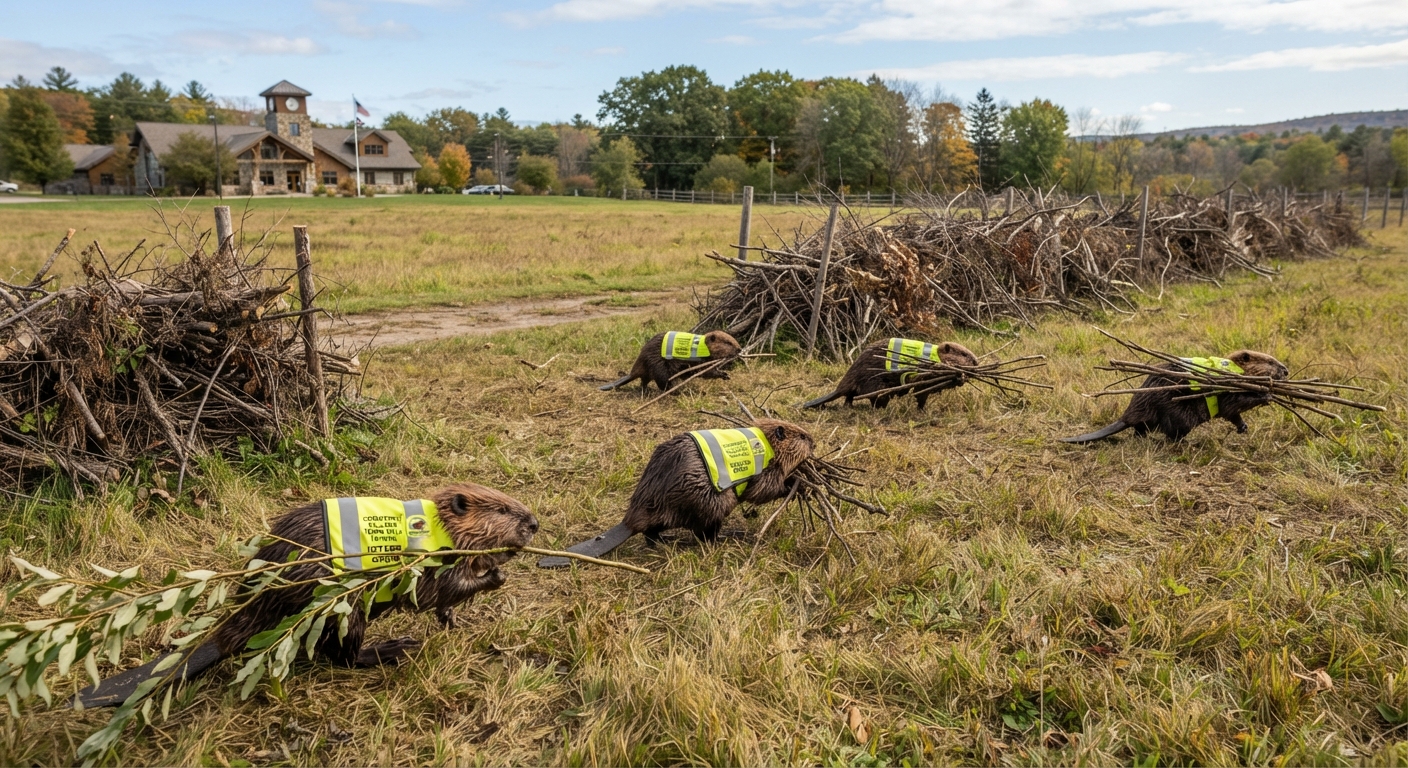
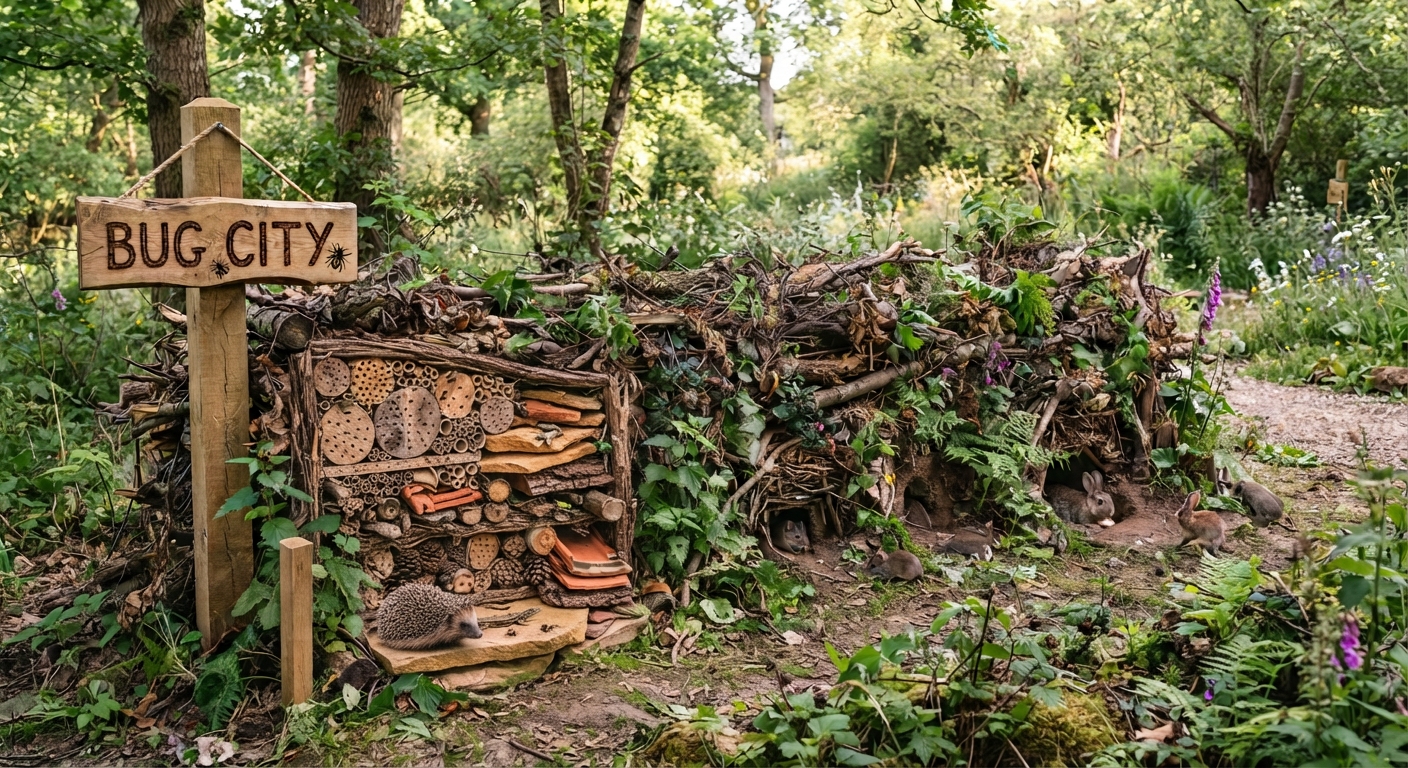
Chester: Maybe you could move to a bigger, nicer brush pile further from the road?
Ian: Where will that come from?
Chester (thinking): Did you see the beavers who came in with me? They run Parks & Rec, and they are really good with building. We can take down the old brush pile and build something even better with it.
Ian (suspicious): Why would you do that?
Chester: I have to tear it down. But we have some interns who can help you rebuild it, bigger and better.
Ian: I guess that would work.
All pictures created by Gemini AI.





 Adventures in Cheeseland