10

The Bees’ Knees: No Mow May

Bumble Bee Buzz Pollination for Your Plants – Mother Earth News

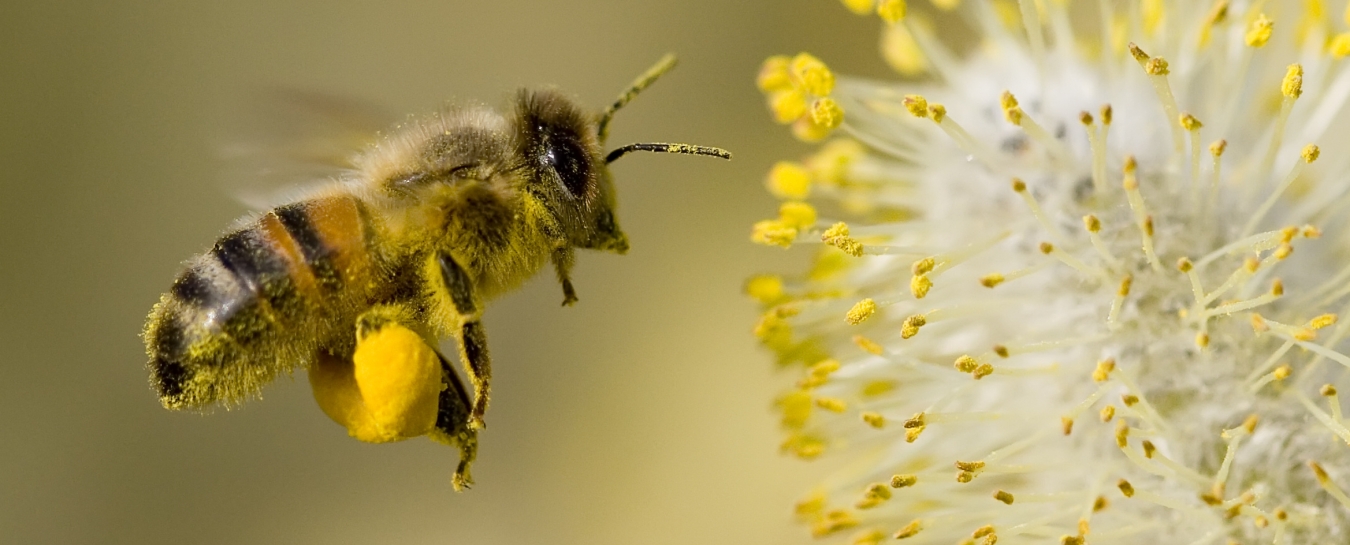
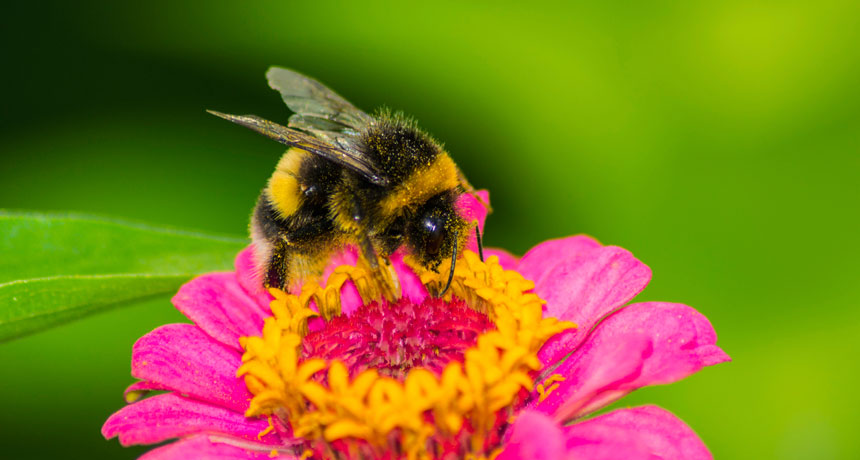
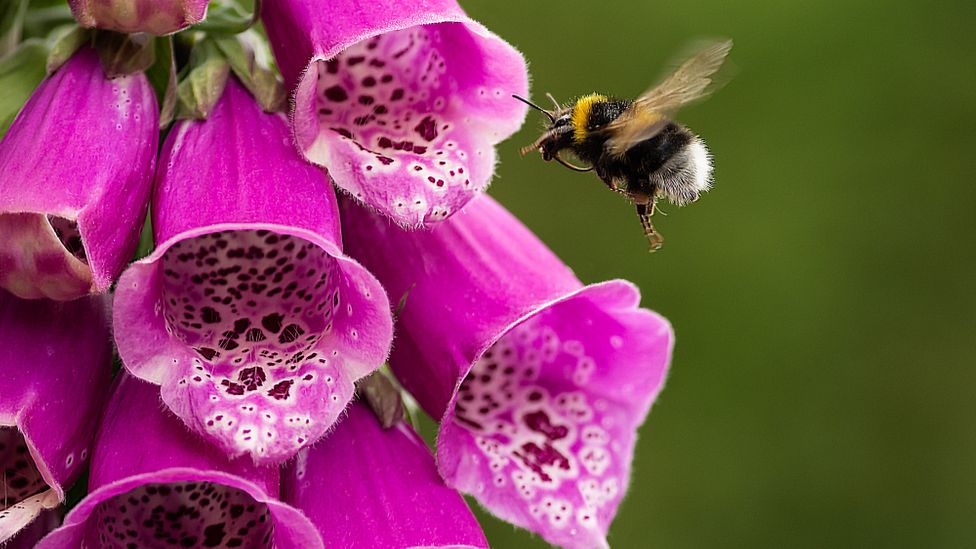
The honeybees were all swarming the hive at the beginning of the day. They were waiting for announcements before they started their day of collecting pollen and nectar. It had become the daily routine ever since they had unionized the year before. Most of the bees were happy with the new routine, although a few still had to be rounded up each morning.
Science Pub from Home: Buzzing about Santa Barbara's Bee Diversity | Santa  Barbara Museum of Natural History

Ralph: Okay. Everybody ready?

Jake: We’re still waiting for Ethan and Bradley.

Someone groaned: They are always late.

Another voice: And always seems to knock off work early.

Ralph: Let’s get started. First, let’s have a cheer for Suzy. She’s been promoted to crew chief for the afternoon shift.

A great buzz went up for Suzy.
Less brilliant flowers still keep bees coming back

Ralph: Second, the queen has increased our quotas slightly.

General commotion.

Ralph: It’s nothing major.

Al: I thought our quotas were set in the contract.

Ralph: They are. But they’re tied to the amount of honey we’re actually producing. It seems like we aren’t bringing back enough to completely meet the needs of the hive. So everyone is expected to make one more trip back daily.
The beautiful flowers that bees can't use - BBC Future

Marie: Maybe it’s those guys that don’t seem to be working as hard as the rest of us. They’re probably not meeting their quota.

Ralph: I’ll check, but I think everyone is doing their share.

Marie: Then how do they get done so quickly? One more trip daily means less time with our families. It’s not fair if some aren’t pulling their weight.

Ralph: Let me look into it.

The bees set about their work. Ralph still hadn’t seen Ethan and Bradley, so he hung around the hive a little longer. It was hard sometimes being the union rep. He didn’t like needing to check up on his fellow bees. Finally, they flew into sight.

Premium Vector | Vintage slogan typography slacker sleeping panda for t  shirt design

Ralph: Morning, guys. A little late aren’t you?

Ethan: I guess so. I didn’t think it mattered. As long as we get our work done.

Ralph: It doesn’t really. Except the other bees have been noticing that you two don’t seem to be working as hard as everyone else.

Bradley: What do you mean? We make the required number of trips to the hive. The contract says that’s all the job requires.

Ethan: Yeah. We’re just more efficient than the rest of you.

Ralph: How can you be more efficient? We all work the same way.

Ethan: We just know the best places to hunt for pollen.

A Front Yard in a Subdivision | Steve Snedeker's Landscaping and Gardening  Blog

Ralph: What best places? We live in a subdivision. There’s only so many places to go.

Bradley: It’s our secret. But we have a system. And it’s totally legal.

Ralph: Show me.

Ethan: If we show you, everyone’s going to want to go there. It’ll be ruined.

Ralph: Just wait for me to make my report to the queen, and I’ll follow you.

Ethan and Bradley buzzed around for a few minutes, but by the time Ralph came back they were gone. He grumbled and started his gathering. He noticed that by the time he had finished his quota, they were already off playing in the field. He was a little frustrated.
How do Bees Fly? (A Simple Guide) - Carolina Honeybees

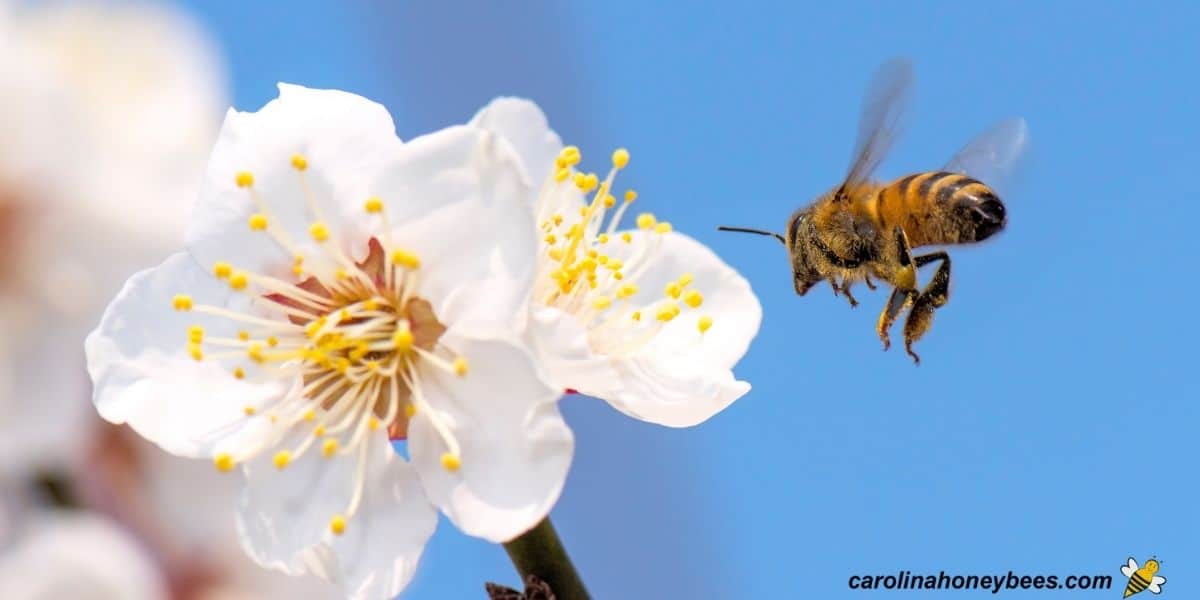
The bees were not very happy with the new quota. The extra trip daily seemed to be more difficult that Ralph had imagined. Maybe there weren’t as many flowers as he thought. He decided that he needed to follow Ethan and Bradley. One morning he told the hive that there wouldn’t be any announcements the next day, they needed to just get straight to work. Ralph waited behind the hive to watch for Ethan and Bradly. Sure enough, they started out about a half hour after everyone else.

Join Plantlife's 'No Mow May' Initiative |

He followed them out of the subdivision. Where were they going? They headed straight for a yard behind the subdivision. It was full of wildflowers and tall grasses. LOTS of wildflowers. Very quickly, they collected their pollen and headed back for the hive. He watched them for a while. There were so many more plants here that they easily made their quota in less time than the other bees in the subdivision, even with the slightly longer distance.

On their final trip in, they spotted Ralph.

Maidstone takes part again in 'No Mow May' - MBC News Website

Ethan: Hey! You’re spying on us.

Ralph: I had to find out where you were going. You guys are the only ones who haven’t been complaining about the workload.

Ethan: That’s because we know where to find the most pollen.

Ralph: You’re not working as much as the other bees.

Bradley: We go a little further, but it doesn’t take as long to gather because there are so many flowers. The contract says that we have to make a certain number of trips, not that we have to spend all day doing it.

Ralph: That’s true. You’re not in trouble. I just wanted to see what you were doing. What is this place?

Ethan: It’s just a regular house. It has humans like the ones in the subdivision.
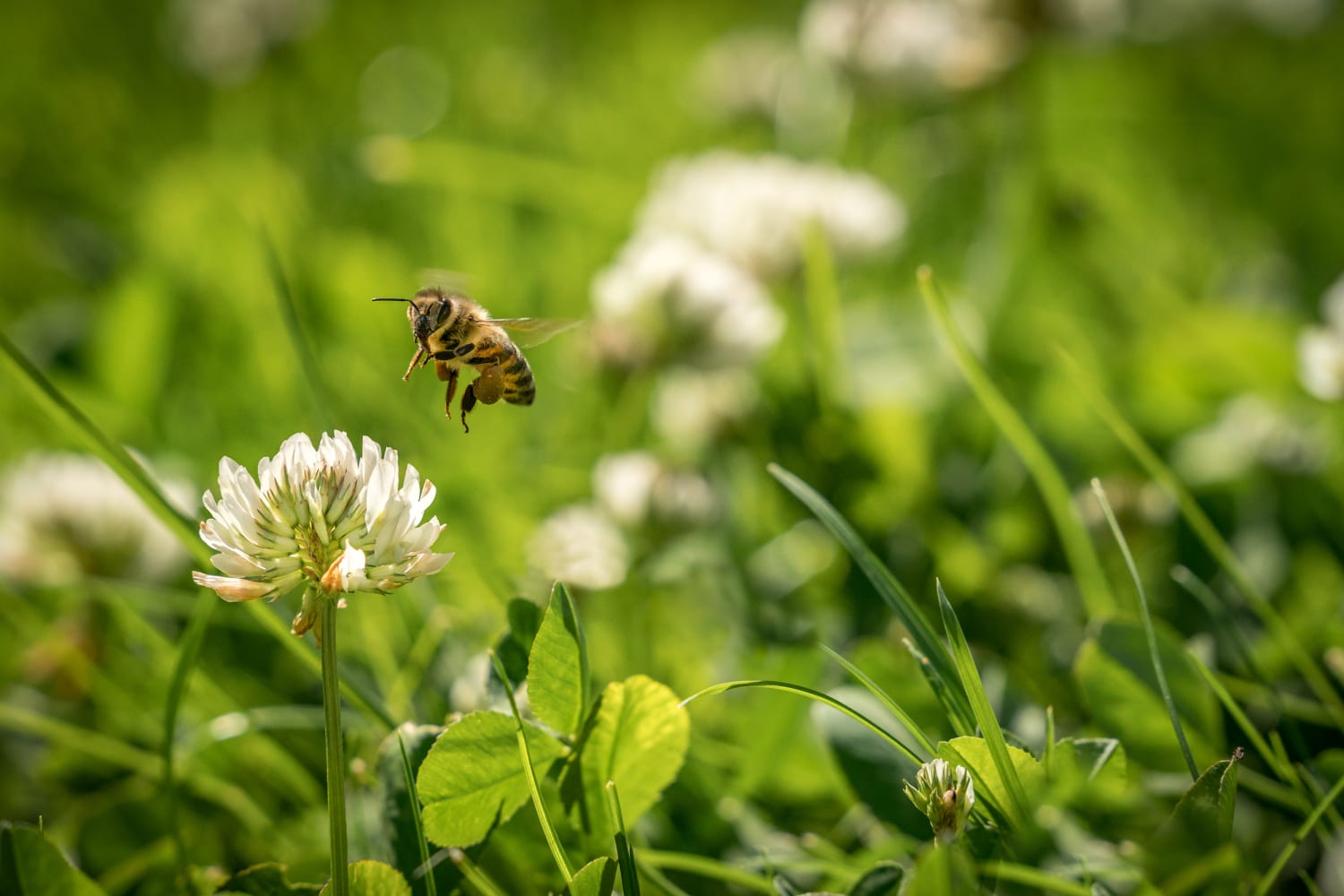
No Mow May' encourages homeowners to help bees by letting their lawns grow

Ralph: Why are there so many flowers?

Ethan: Some of them are what the humans call “weeds”. The humans in the subdivision aren’t allowed to have them.

Bradley: But these humans are doing what’s called “No Mow” May. They just let everything grow to help the native bees thrive. So we’re taking advantage of it. It’s great!

Ralph: Are they the only ones?

Ethan: There’s a few yards around here.

Ralph: I think we should let the others know. It looks like there’s enough to share.

;’/: You’re probably right. There’s really no reason we should be the only ones who benefit.

The next morning, Bradley and Ethan shared their find with the hive. Soon, everyone was thriving.
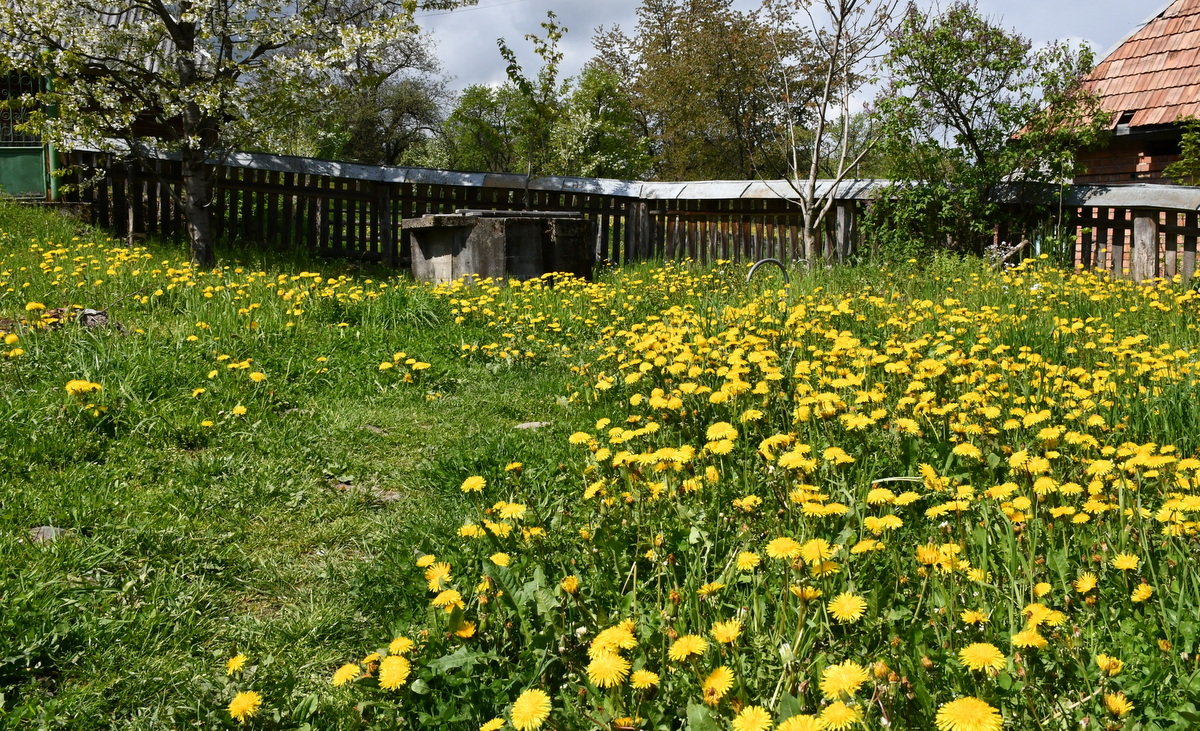
5 Tips For A Dazzling No Mow May

From Bee City USA: Lawns cover 40 million acres, or 2%, of land in the US, making them the single largest irrigated crop we grow. Lawns provide little benefit to wildlife, and are often harmful. Grass-only lawns lack floral resources and nesting sites for bees and are often treated with pesticides that harm bees and other invertebrates.

The start of the growing season is a critical time for hungry, newly emerged native bees. Floral resources may be hard to find, especially in urban and suburban landscapes. By allowing it to grow longer, and letting flowers bloom, your lawn can provide nectar and pollen to help your bee neighbors thrive.

Mowing less creates habitat and can increase the abundance and diversity of wildlife including bees and other pollinators. One way to reduce mowing is by participating in No Mow April, No Mow May, or Low Mow Spring. https://beecityusa.org/no-mow-may/

Does "No Mow May" work for your South Texas yard? | San Antonio River  Authority

Pictures courtesy of Google Images

20

There Goes the Neighborhood: The Groundhogs’ Bad Season

Groundhog Photos and Facts

The groundhog family had been living under the porch of the old farmhouse for generations. It was a pretty nice location: the humans didn’t spend too much time outside, and they never bothered the groundhogs. There was plenty of clover to eat and even an ornamental peach tree to climb.

Life had been particularly good in the past couple of years. Something had happened to the male human, and the female human stopped working in the yard almost entirely. The garden in front of the porch got overgrown, and it was hard to even see under the porch. The groundhogs were thrilled. Nothing bothered them, and they came and went as they pleased.

File:Groundhog on rock.jpg - Wikipedia

But this past spring something changed.

Harold: Hey Madge, you notice that the human seems more active than usual?

Madge: Yeah. She’s been over at the side of the house digging around. She’s talking about putting in a rock garden.

Harold: That would be nice. It would give us someplace to sun.

Madge: That’s true. We wouldn’t have to walk around to the back of the house anymore.

Harold: I hope she doesn’t dig up all the clover.

Madge: I wouldn’t worry about it. It hasn’t happened in the 20 years our family’s lived here.

Harold: Excellent point.

Woodchuck Food Habits - Woodchuck Wonderland

Indeed, soon enough the human stopped digging up the side of the house. She came back one day with a bunch of plants that she put on the porch.

Madge: Did you see all that gorgeous greenery. It looks pretty yummy.

Harold: It’s awfully close to the house. I’m not going up there to explore.

Madge: I think she’s going to plant some of it in our yard.

Harold: Oooh. That will be nice. The more green, the better.

Nature Notes: Winter is Coming | The Michigan Nature Guy's Blog

However, the human didn’t put the new plants in the yard. She moved them into larger pots and left them on the porch. One morning, the groundhogs heard digging.

Harold: Look, Madge. She’s clearing the part of the yard by the other front porch. Maybe that’s where she’s going to grow our new plants.

Madge: That would be convenient. I wonder if we should figure out a way to tell her where to put the stuff we like best.

Harold: Let’s go explore what’s up there.

Woodchuck Food Habits - Woodchuck Wonderland

The groundhogs discovered that most of the plants were too high to reach. There were a couple of bushes and some catnip. They also found tomatoes and peppers in pots.

Harold: This is very disappointing. I hope the good stuff is in the pots up top.

Madge: Let’s ask the rabbits to check it out for us. They can jump up there and see.

Safe Wood and Other Plants For Rabbits

The next night, Pierre jumped up on the railing and had a look around. All he could see were herbs. Except, there was one particularly appetizing smell.

Pierre: Bad news, guys. There’s nothing really good up there. Oregano, sage, rosemary. Nothing that’s really going to appeal to anyone.

Harold: Well, rats.

Madge: I hope she finishes putting it in soon. At least we won’t have to worry about having a human out all the time.

Groundhog Trapping & Removal Near Willow Grove, Pennsylvania

The human continued cleaning out the yard. The groundhogs weren’t really paying much attention. One Saturday, they woke up to loud noises a few feet from their nest. They looked out in horror.

Madge: Do something, Harold! She’s digging up right next to our porch! We’re going to lose all our privacy.

Harold: What do you want me to do about it?

Madge: I don’t know. We have to stop this.

violentbaudelaire: A squirrel lunch meeting | Cute squirrel, Cute animals,  Animals wild

Later that day, they heard the humans discussing the work. They were very excited about how much “nicer” it looked and how much better it would be once all of the weeds were gone. The groundhogs decided it was time for a neighborhood meeting.

Harold: We wanted to get everyone together to discuss what’s going on in the neighborhood.

Sara Squirrel: You mean the humans’ “Beautification” project? It’s awful. They’re picking up all the sticks, digging out all the weeds, and cleaning up the sidewalks.

Roger Raccoon: Before we know it, the whole place is going to look like it belongs on the front of one of those sales brochures. Like it was when the humans first moved in.

Pierre: We can’t let that happen. What if this human decides to sell it? No one is ever going to be as easy to manipulate as she is.

Texas family wakes up to raccoon on bathroom sink - ABC7 New York

Roger: That’s true. She lets us pretty much run the place.

Harold: Maybe. But she’s destroying my peace of mind right now. She’s ruining the entrance to our home.

Priscilla Rabbit: She’s bringing in nasty plants too. I thought she had planted some fennel. Super yummy. But when I dug up the bulbs, it was only the plant, not the edible kind. Talk about rude.

Madge: A couple of cats have started hanging around too. You know the neighborhood won’t be safe anymore if they stick around.

Roger: We have to do something before we get beautified out of our happy homes.

Next Week: The animals’ plan and how it works out.

2

Surely the Underworld is Carpeted with Weeds

And they are ruled by King Thistle, ably assisted by Lords Kudzu and Creeping Charlie.


I am an intermittent gardener, at best. I can’t blame nurture. My mother grew fruits (raspberries, strawberries, etc.) and vegetables. Both my maternal grandfather and paternal grandmother had amazing flower gardens, specializing in roses. Grandpa also had a large selection of dahlias (some of them his own breeds).

My husband has a vegetable garden in the backyard. I wanted flowers in the front. After several years of intense neglect, I decided to take another shot at making it look like more than a weed patch. My son suggested that I salt the earth and put in a rock garden.

I began with a small patch in front of the house. I had to dig out all the weeds by hand (actually shovel). So far, so good. Turn over the dirt; rake out the weeds (and many years of rotting leaves). Hmm, what is that hard thing I keep trying to shovel? We have rocky soil, but this is ridiculous.

Finally, I scraped away all of the detritus. Oooh, it’s the sidewalk! And there are things actually growing on it. How embarrassing. Oh well, in for a penny, in for a pound (guess that saying survived from Colonial times – otherwise, it makes no sense whatsoever). I trenched along the edge, swept away the dirt. Voila! It was all still there.

So I shoveled along. Guess what? Myrtle grows on the sidewalk even better than weeds! I always thought nothing grew better than weeds. I moved on to a section full of lily-of-the-valley. I love them and wanted to move some of them to my newly discovered soil.

The only problem was that they were “protected” by some really healthy thistles. I’m told that thistles grow in abundance on the moors. I’m going to look into a repatriation program for the ones in my yard.

There is only one good way to get rid of thistles. Dig them up by the root. The whole root. Don’t worry, says a friend. All you have to do is cut off the top of the stalk and spray Round Up on the opening of the stalk, and it will travel directly to the roots. (For those of you unfamiliar with Round Up, it is an extremely toxic herbicide that is dangerous to both humans and animals.)

I don’t believe in herbicides, but the thistles were three feet high. I bought the least toxic type. It didn’t kill the thistle. My husband pulled them out for me (root and all). I threw away the Round Up.

I bought some blue spruce sedum to plant along the path to the garage. It’s been really dry and the ground has never been used for anything except scrub grass. (You didn’t expect Kentucky Blue, did you?) My husband used the tiller, and they went in with no real problems. They like dry soil, so all is well.

The house is on a small hill. It’s almost impossible to mow, so I decided to put in moss (easy to grow, spreads well). My husband offered to till it for me. For logistical reasons, I decided to start at the top, just past the sedum. He had just started to till when he heard a crunch. He’d cut a copper pipe to something. It would have to be fixed before he could root up any more weeds.

My moss was in its nursery containers looking a little unhappy, and my husband and son were leaving on their annual fishing trip. So back to the shovel. In dirt that had seen no cultivation in the fifty years since they moved the house from its original site on a farm. Oh goody.

It was like digging through cement. Once I managed to get the first shovelful out, it became a little easier. (As I’m typing this, I just realized that I should have rented a badger. I read that they can burrow through anything, even cement. I wonder where you rent badgers?)

I finally had enough space for my 12 moss plants. I dug the holes. Hmmm. I bet the soil in Ireland doesn’t look like clay that’s ready to be fired. The lady at the nursery said to mix sphagnum peat moss with the soil to loosen it for the plants. I had a bag. I needed a bog.

So I planted them directly into the sphagnum. I used her extra-special root food and hoped for the best. It’s been a couple of weeks and they haven’t died. Maybe I should play them some Celtic folk music.

I wonder how much the salt and rocks would have cost?

(pictures courtesy of Google Images; creeping charlie via University of Georgia, badger via Liverpool, UK)