

Thomas Tabby has started a new software platform, CatForce, to match working cats with humans who are looking for some feline assistance. The site was intended to allow humans to post positions and have the cats look for something that interested them. There was a bit of an unforeseen issue with the actual communication between the humans and the cats. While most cats are fluent in human, it is extremely rare to find a human who understands the language of cats.

After some research, the CatForce Help Center is using AnimalTongue Cat as a translation tool. The human fills out the form describing what position they are trying to fill, the form is translated into Cat, and CatForce staff decides whether they will accept or decline the position. If a posting is declined, the human can contact the help center to make modifications to the posting. All communication is handled through CatForce Chat. Here are a few examples:
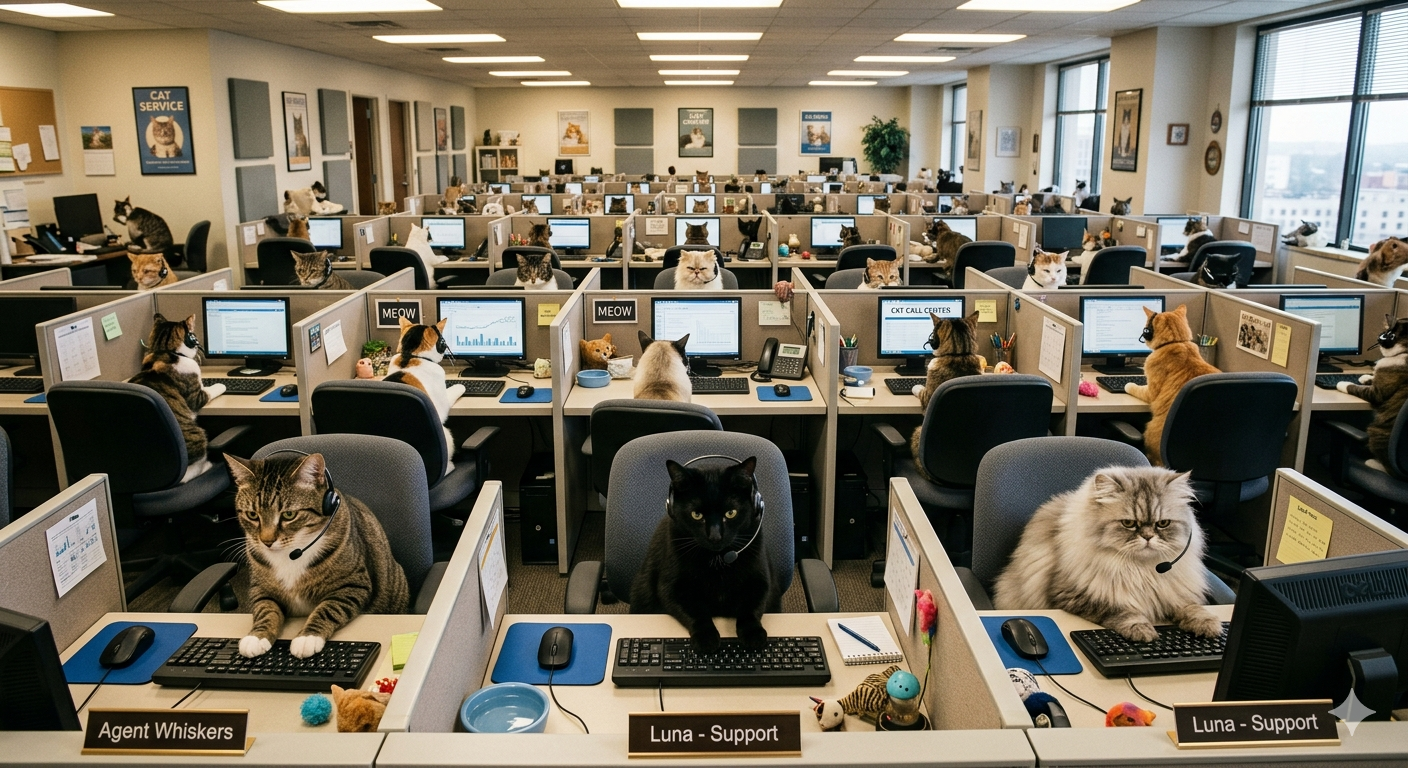
Katy: Thank you for using CatForce. What order number will we be chatting about today?
Human 1: I’m not sure. I only have one request.
Katy: Have you submitted a job description?
Human 1: Yes. And the email said it was denied.

Katy: There should be an order number on that email.
Human 1: Can’t you just use my name? Or email or something?
Katy: Unfortunately, our system sorts by order number. You should have received it when you first placed your request. It would have been on the denial email too.
Human 1: I want to talk to a human.

Katy: I’m sorry, but this is a cat-owned business. There are no humans here.
Human 1: That’s ridiculous. Aren’t your managers human?
Katy: We are proudly 100% cat owned and operated. Unfortunately, I can’t assist you if you don’t have your order number.
Human 1 disconnects.

Jiminy: Thank you for using CatForce. What order number will we be chatting about today?
Human 2: 125-303
Jiminy: Thank you for that information. Am I chatting with Jonelle Jones?
Human 2: Yes, you are. I want to know why my posting was rejected.

Jiminy: It says that you are looking for a Cheshire cat. We aren’t certain what type of cat that would be and what the job would entail.
Jonelle: You don’t know about Cheshire Cats? They can make themselves invisible and move without anyone seeing them.
Jiminy: I don’t know anything about that type of cat.
Jonelle: You must know about them. They’re in a book.
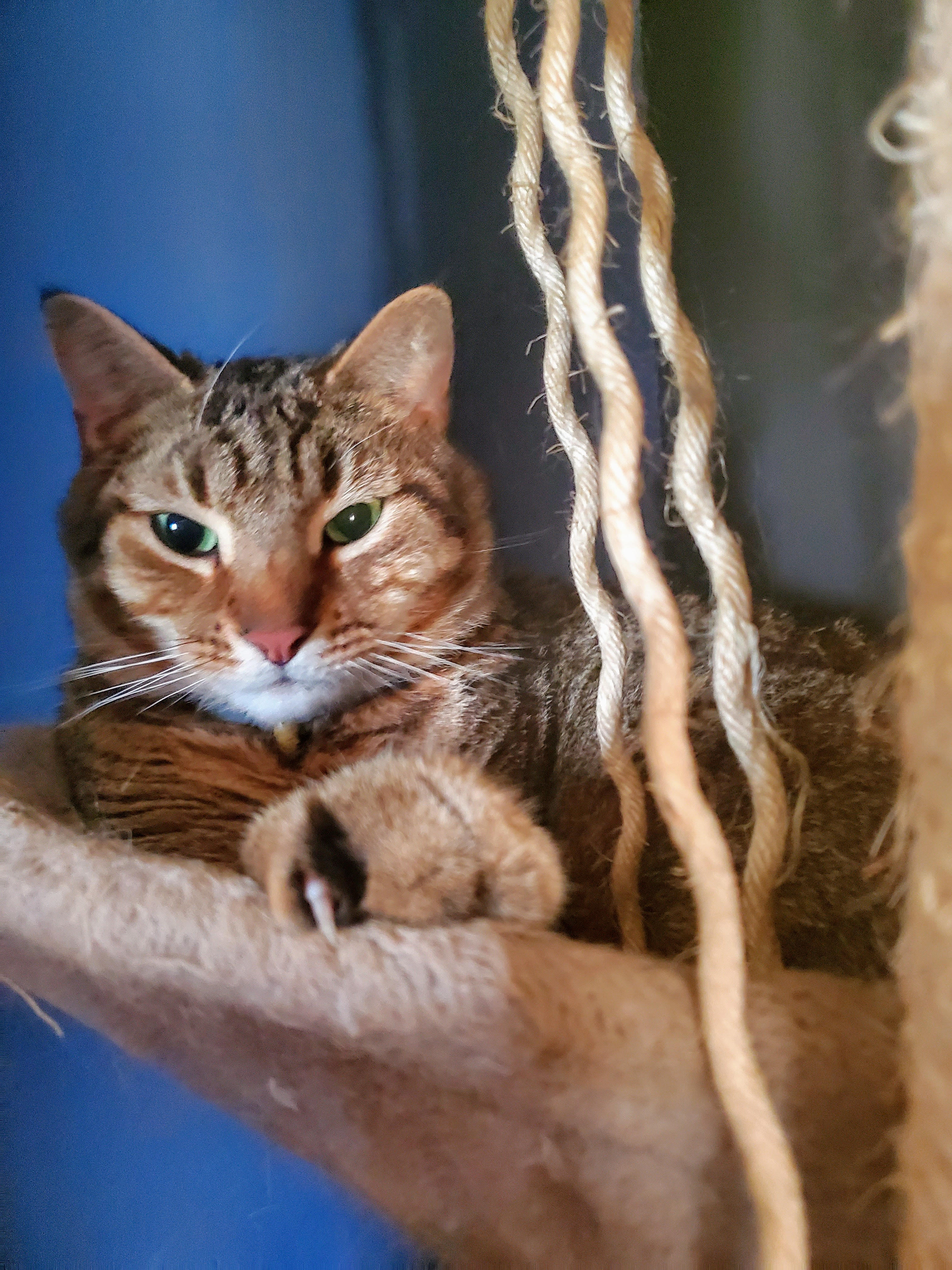
Jiminy: Are you referring to Alice in Wonderland?
Jonelle: Yes, that’s it. I need one of those cats to keep my children entertained.
Jiminy: I’m sorry, but that wasn’t a real cat. We can’t create a job request for something that doesn’t exist.
Jonelle: Are you sure?
Jiminy: I’m afraid not. Have a pleasant day.

Jonelle: Can you tell me where Wonderland is? Maybe I can find one myself.
Jiminy: I don’t think that exists either.
Jonelle: That’s unfortunate. Good-bye
They disconnect.
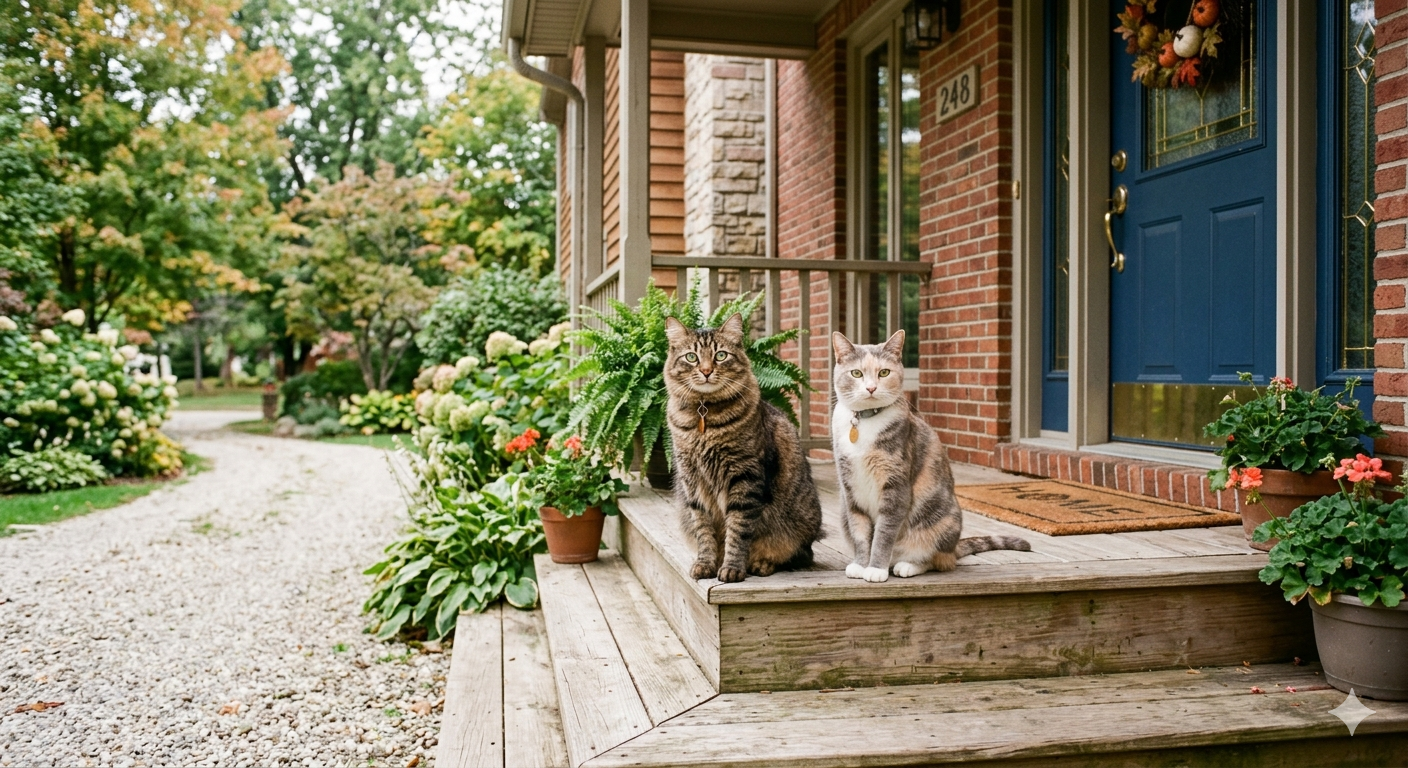
Buttercup: Thank you for using CatForce. What order number will we be chatting about today?
Human 3: 130-267
Buttercup: You are David S and you are looking for guard cats?
David: Yes, that’s correct.
Buttercup: What do you want the cats to guard?

David: My house.
Buttercup: How many cats are you looking to hire?
David: I think two. One for the front door and one for the back door.
Buttercup: Cats generally aren’t used for home protection. Are you sure about this?
David: I want big cats. Maybe tigers. Or panthers.

Buttercup: CatForce works with domesticated cats, not wild animals.
David: Are you sure that you won’t have any big cats?
Buttercup: That is definitely not our target market.
David: I’m very sorry to hear that.
He disconnects.
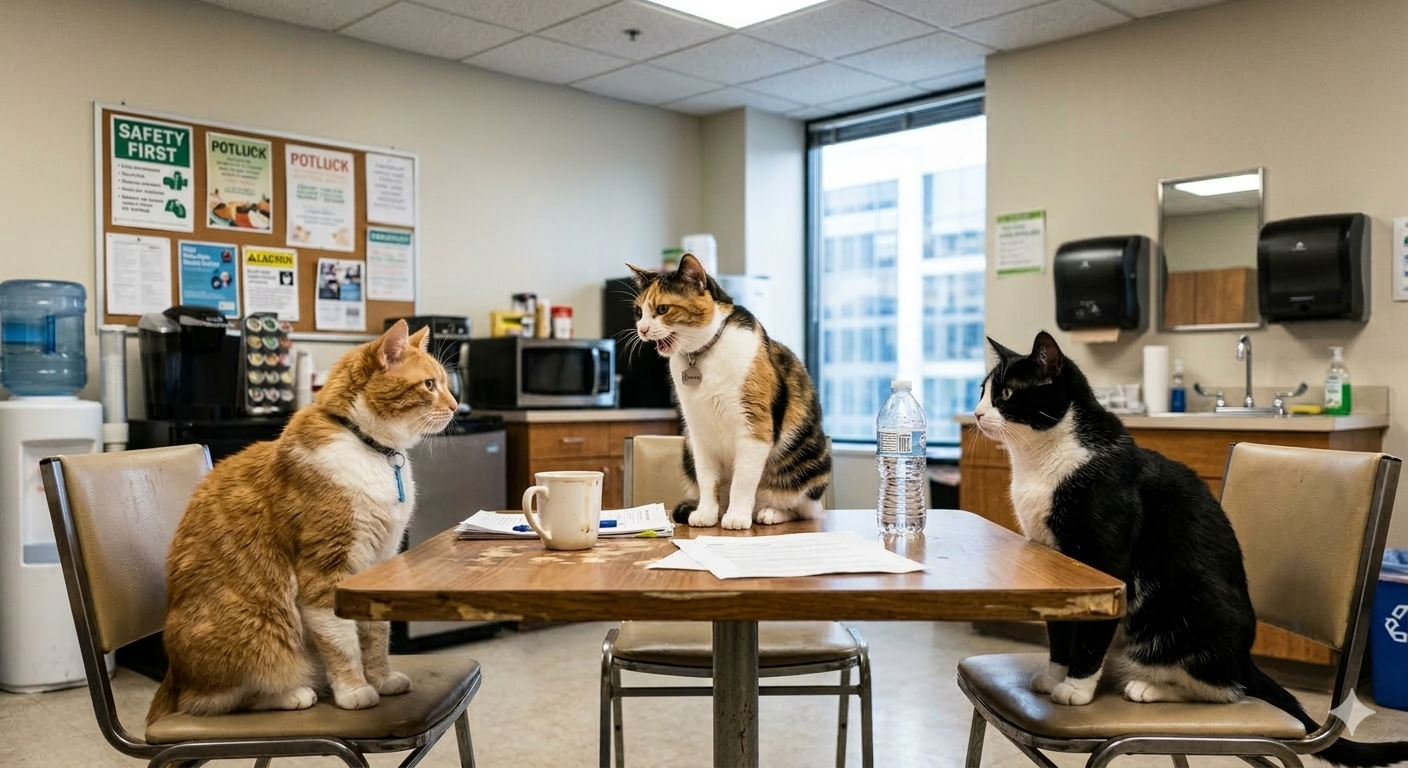
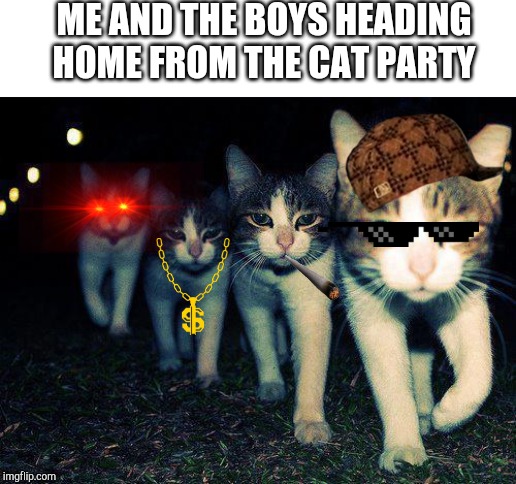
It’s break time and the cats get together to discuss the strange humans they’ve been chatting with.
Pictures courtesy of Google Images
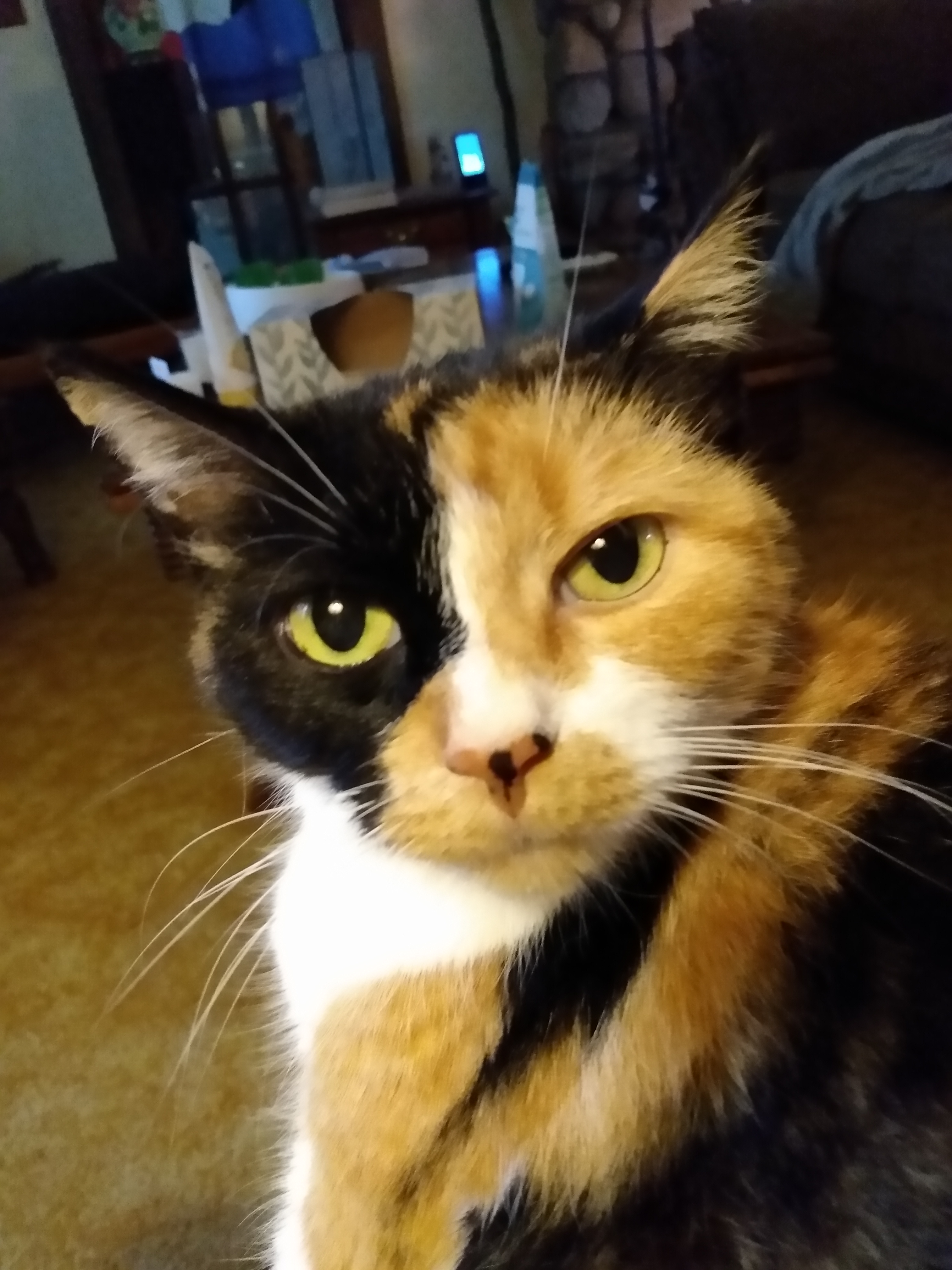
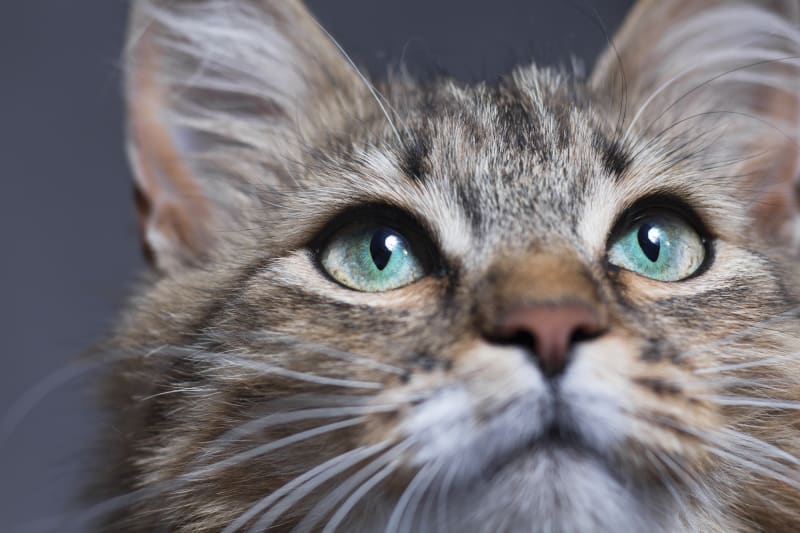
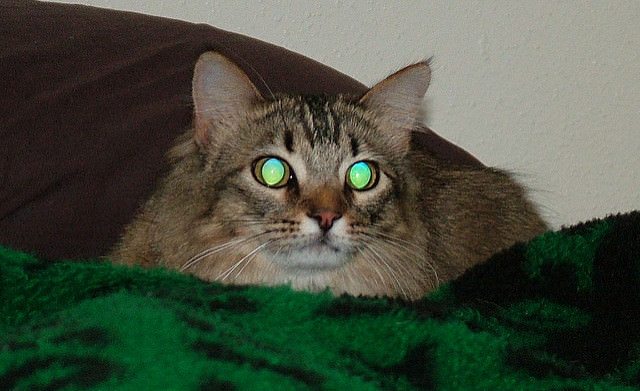
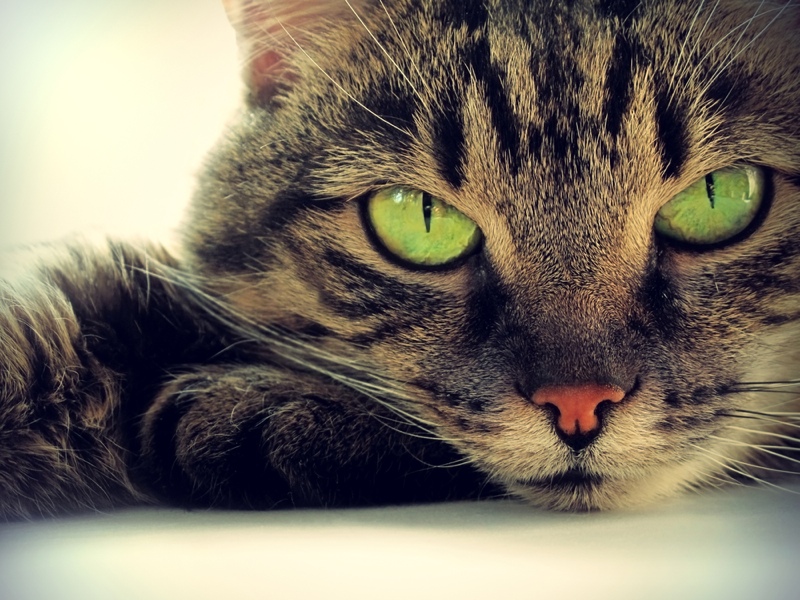



![Cats Talking With Their Humans 2018 [NEW] - YouTube](https://i.ytimg.com/vi/sb9w190yRSc/maxresdefault.jpg)


 Adventures in Cheeseland